How does breathing affect concentration, emotions and the ability to self-regulate?
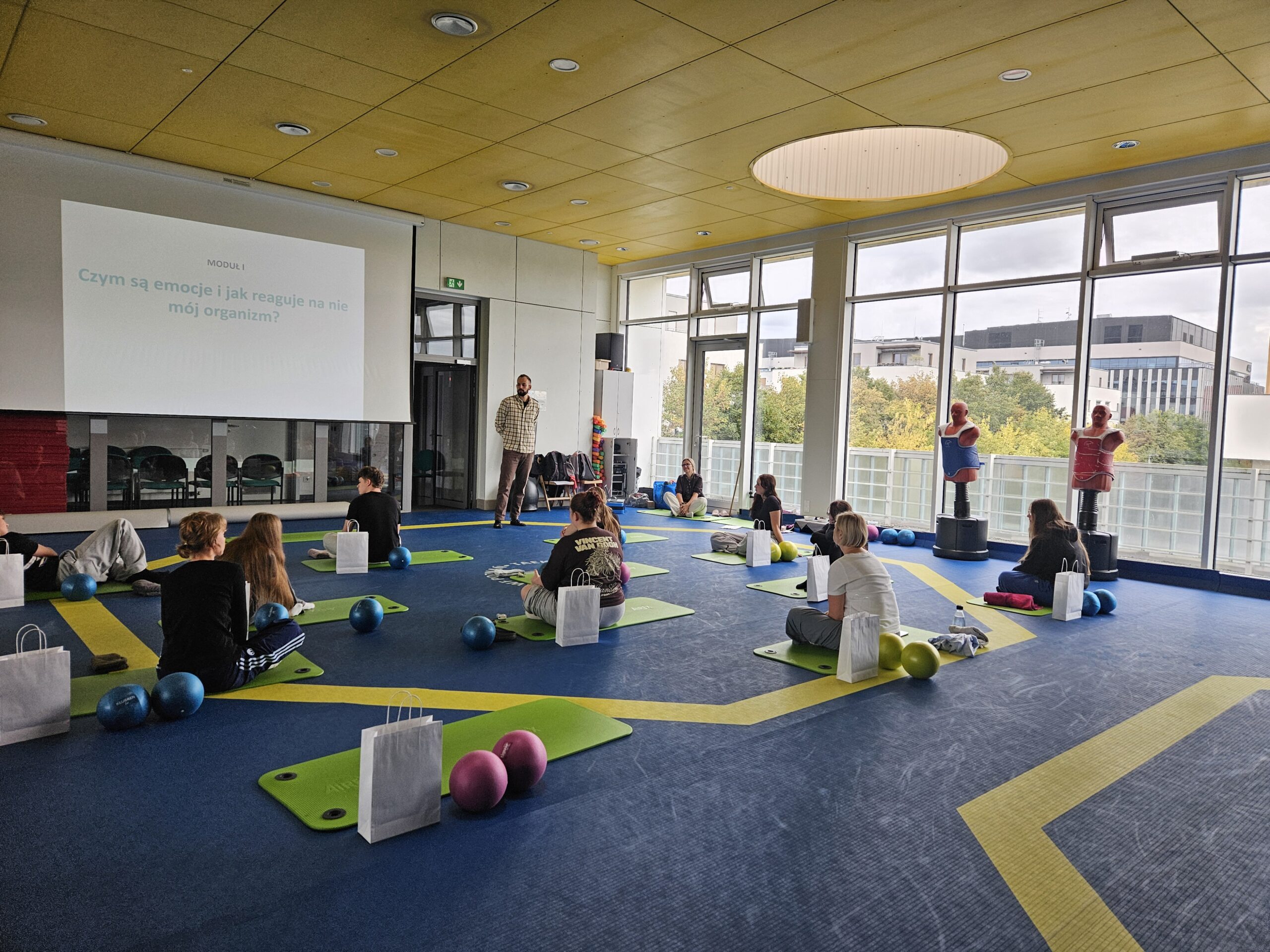
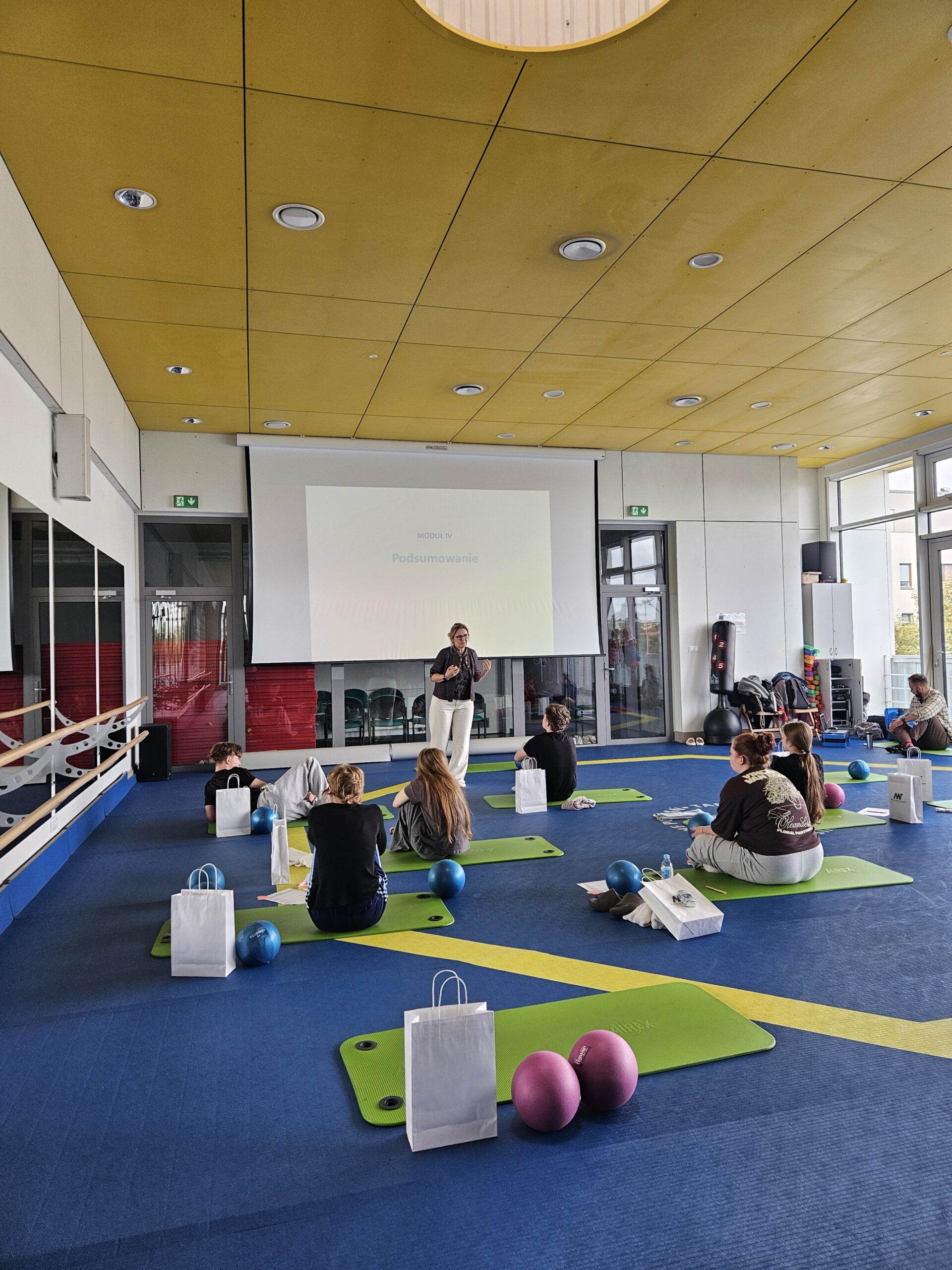
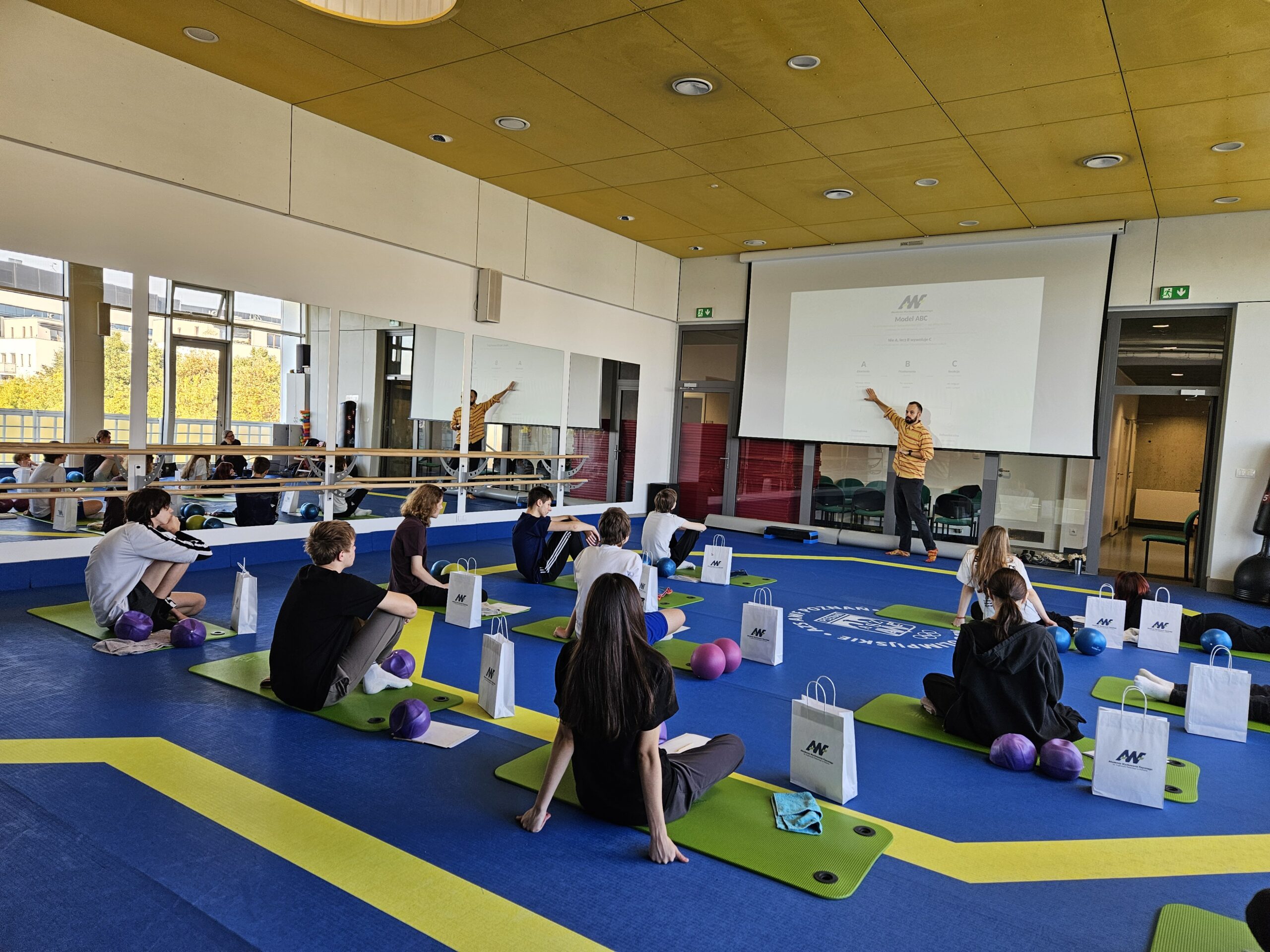
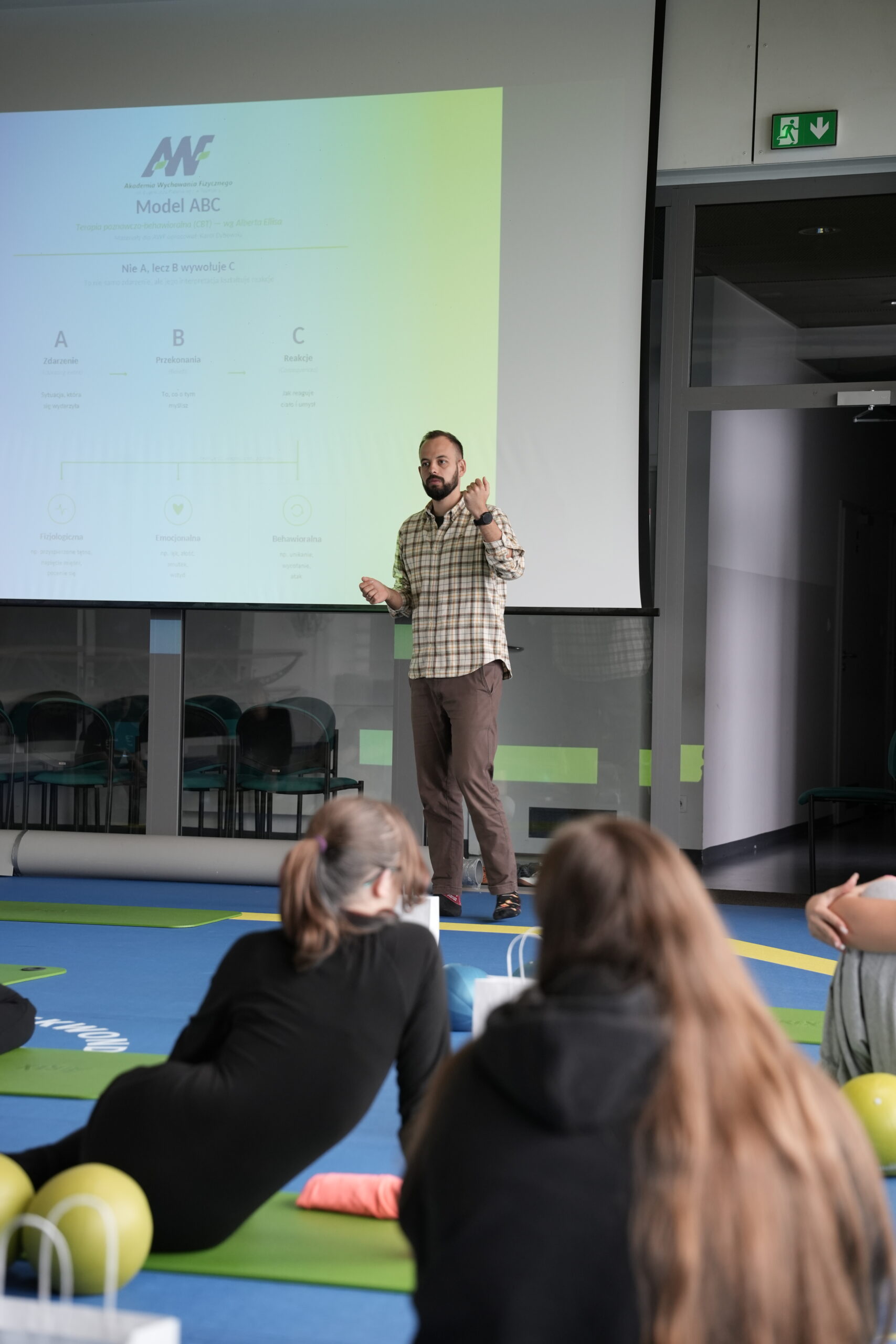
These issues were the subject of educational workshops organised by our University on 23 and 29 September 2026. The event was attended by secondary school pupils aged 16–17. The aim of the sessions was to familiarise young people with the relationship between breathing patterns, the body’s responses to stress and the ability to consciously regulate psychophysical tension – and thereby to develop skills that can be applied in everyday life, including in a school setting. This initiative forms part of the Univeristy’s pro-social activities aimed at health education and the promotion of psychophysical wellbeing.
Breathing – a natural tool
Young people today face many challenges related to chronic stress, the pressure to achieve and emotional overload. Education on the mechanisms of breathing and its connection to the functioning of the nervous system is a valuable element in the prevention of mental and physical health issues and the support of young people’s wellbeing.
From knowledge about breathing to practical experience
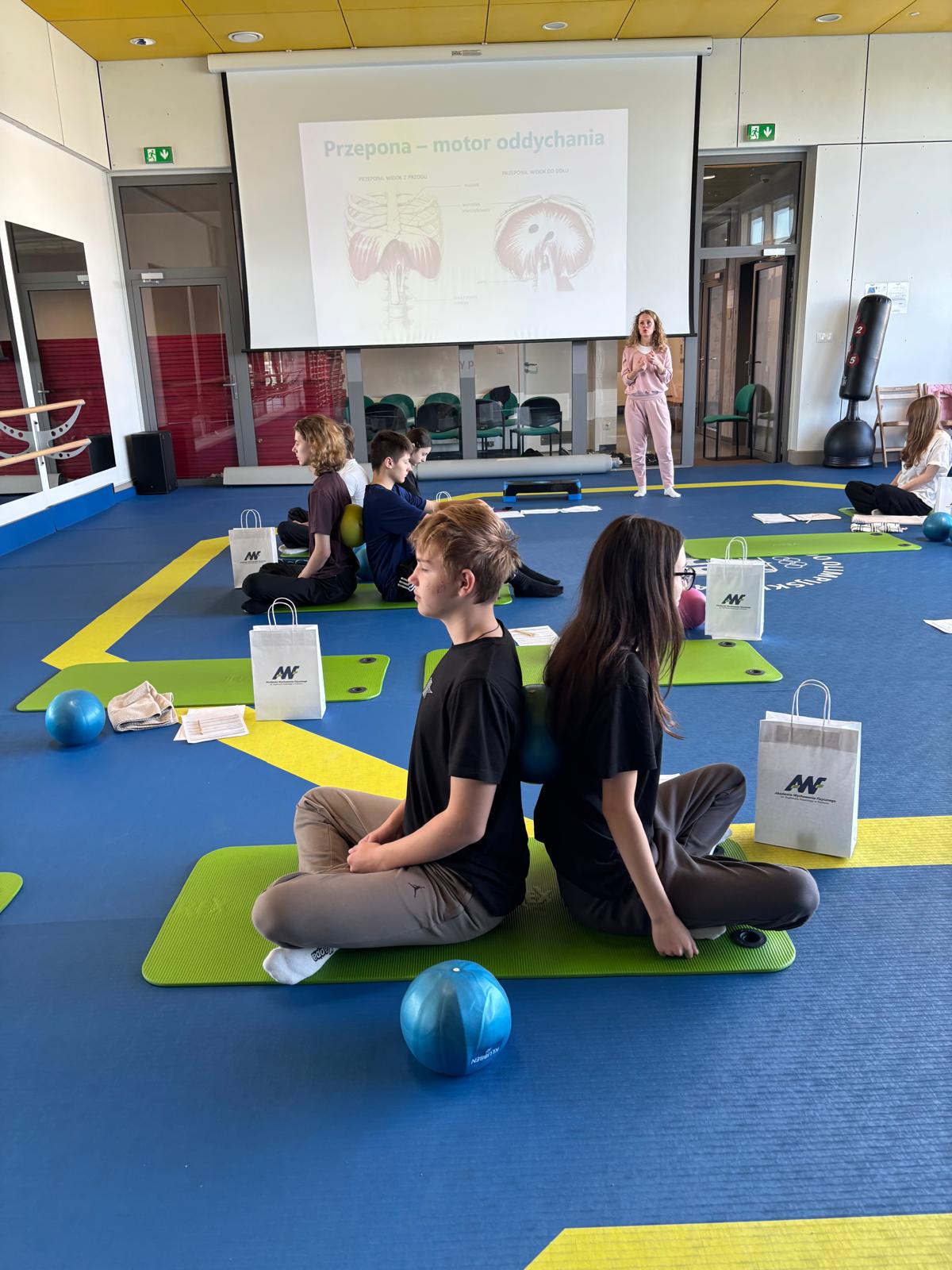
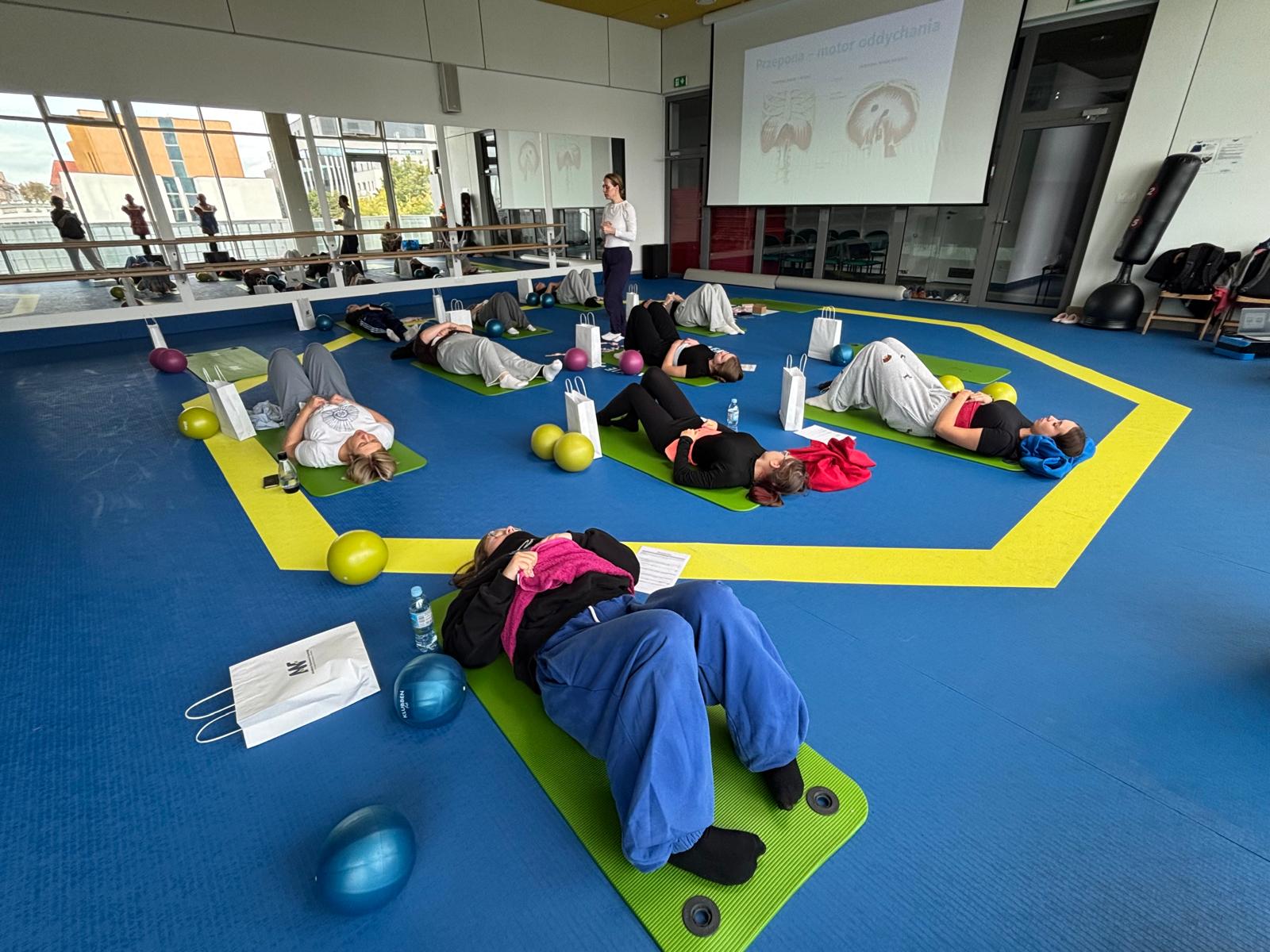
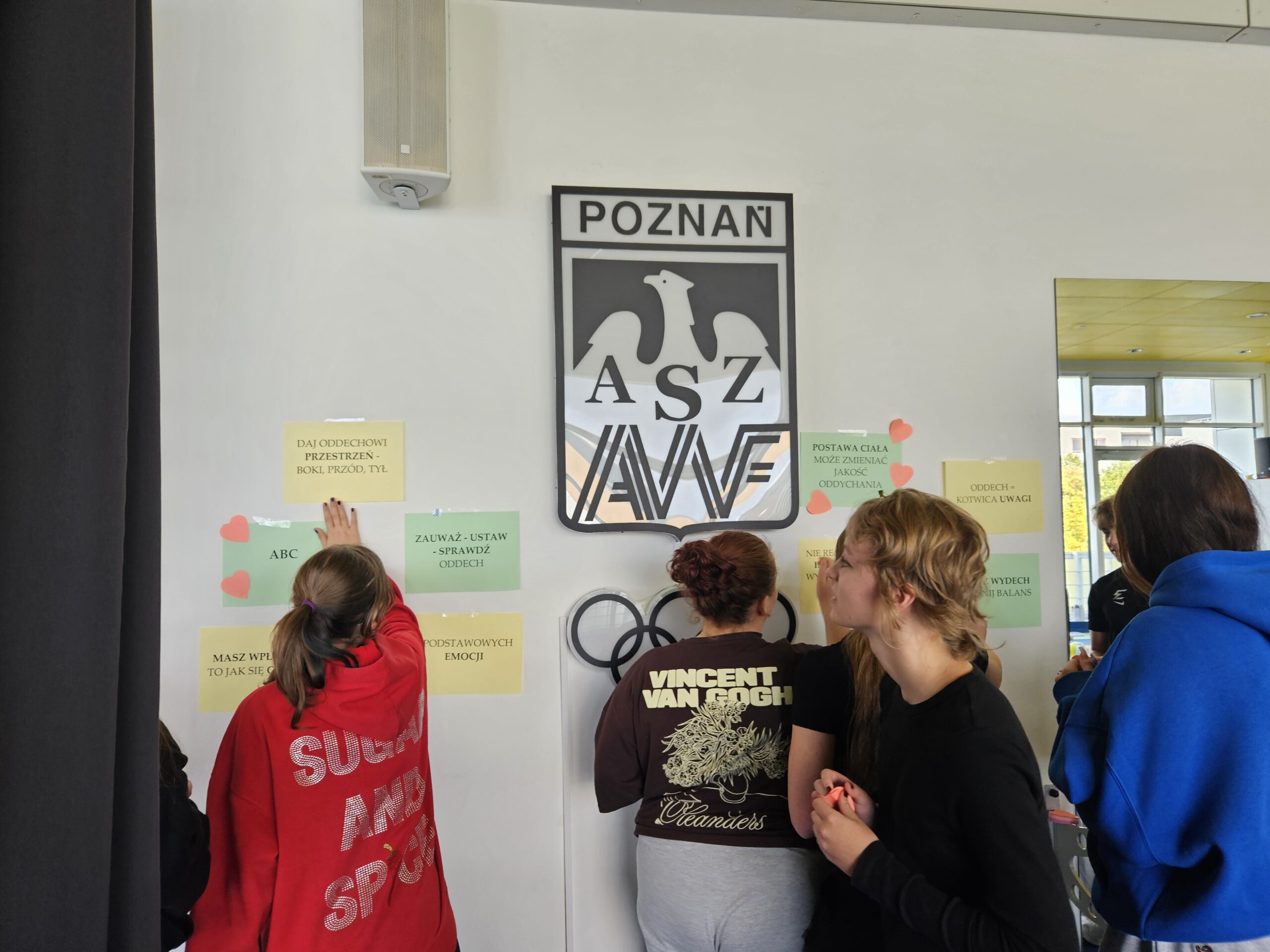
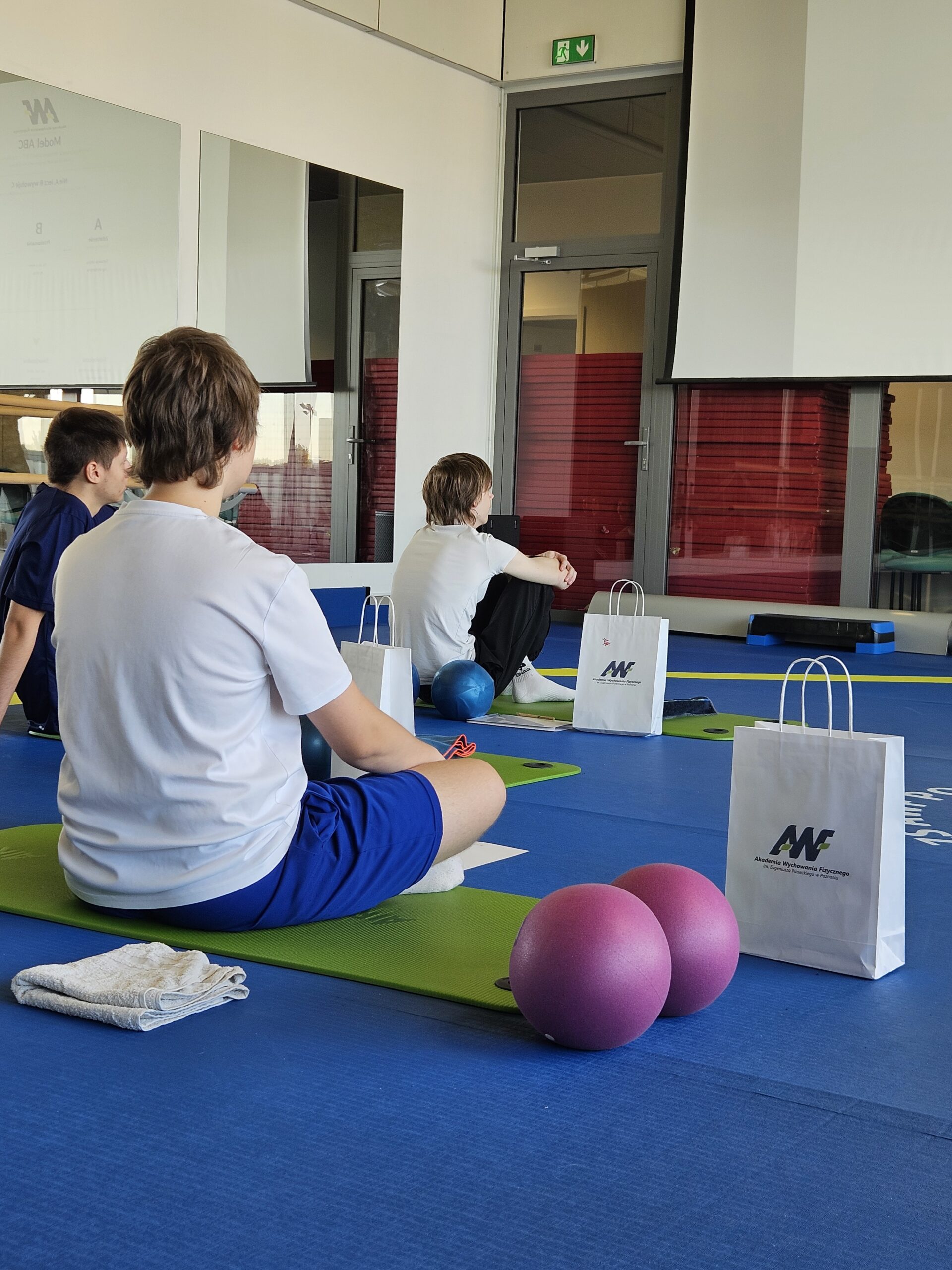
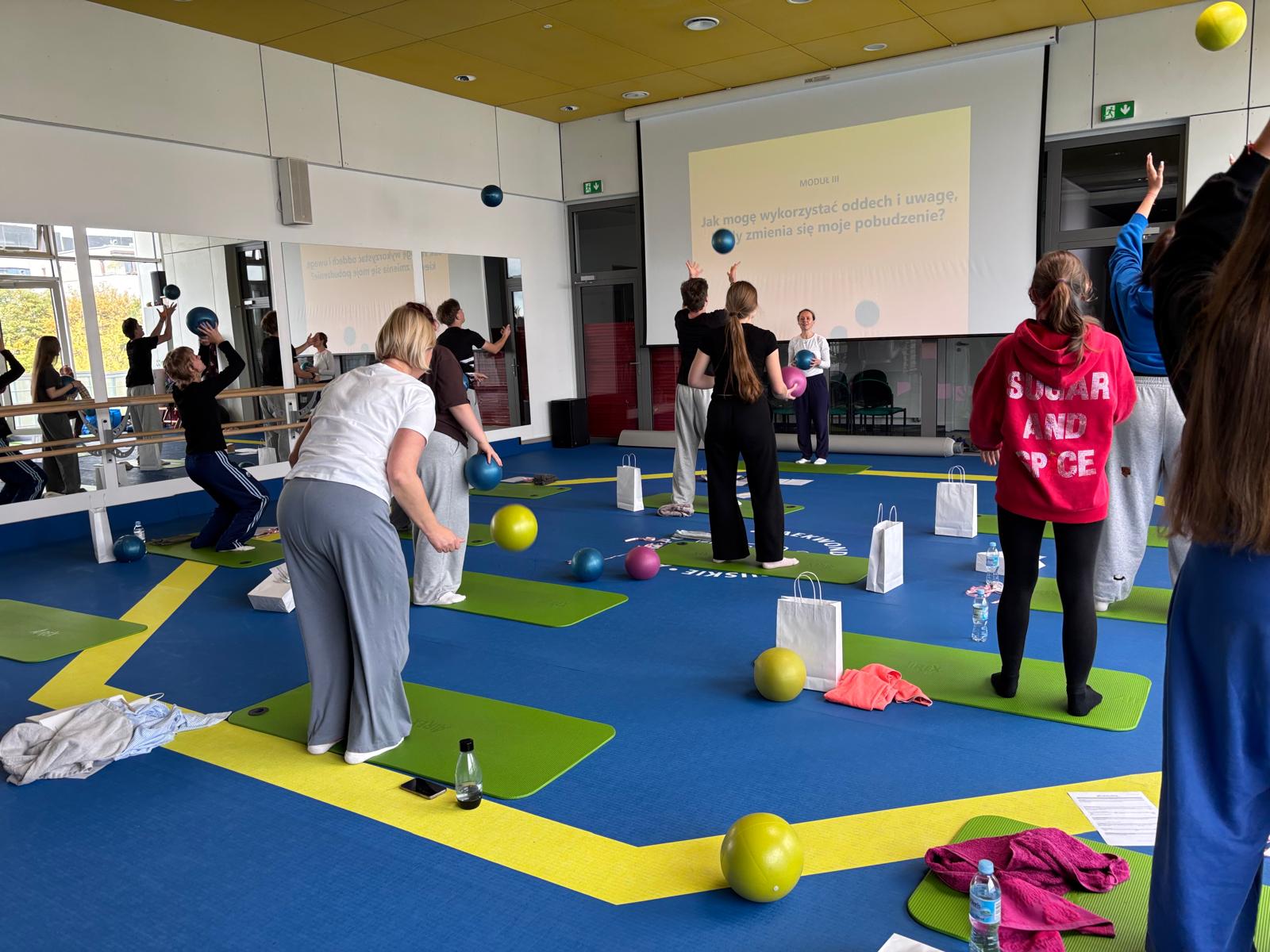
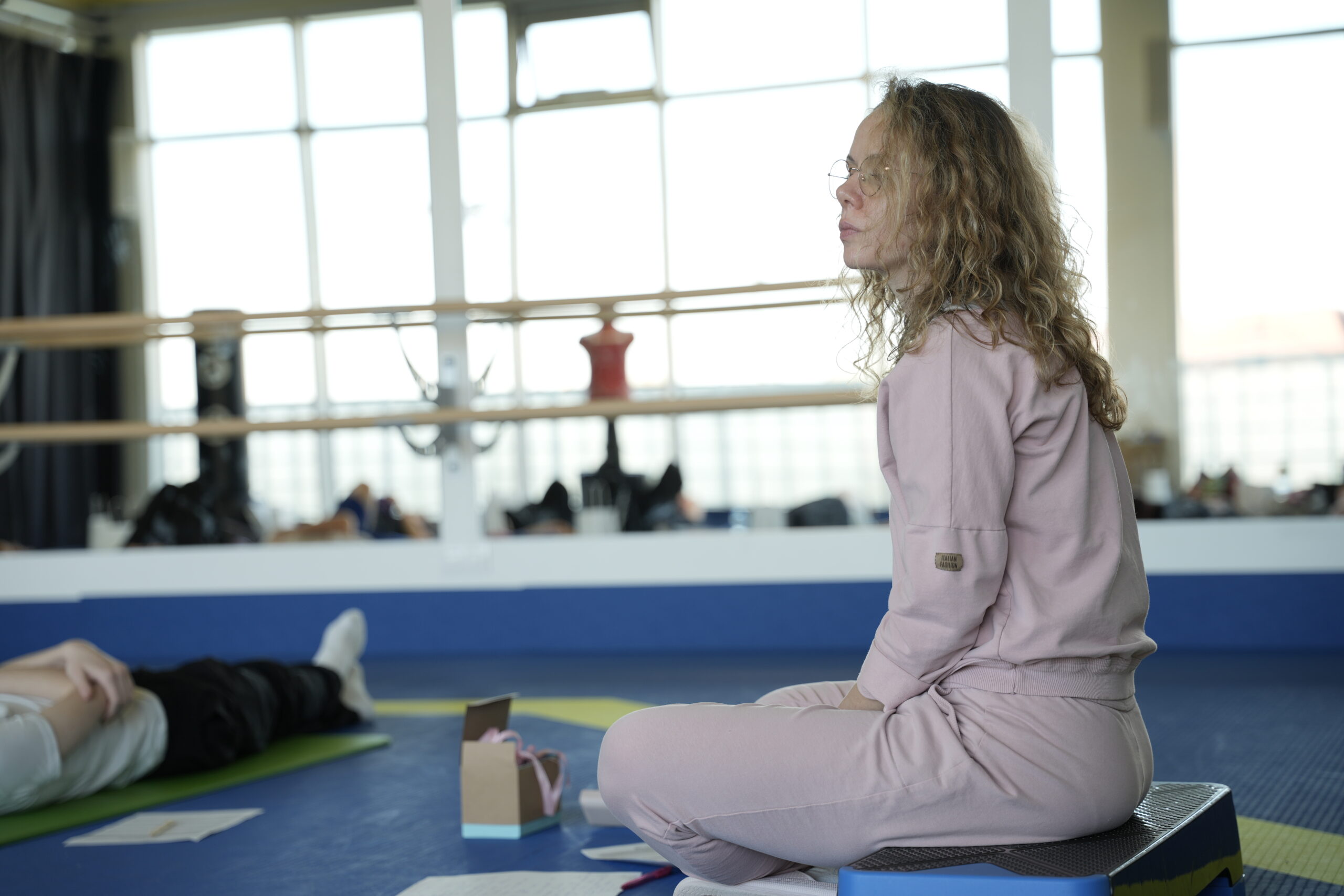
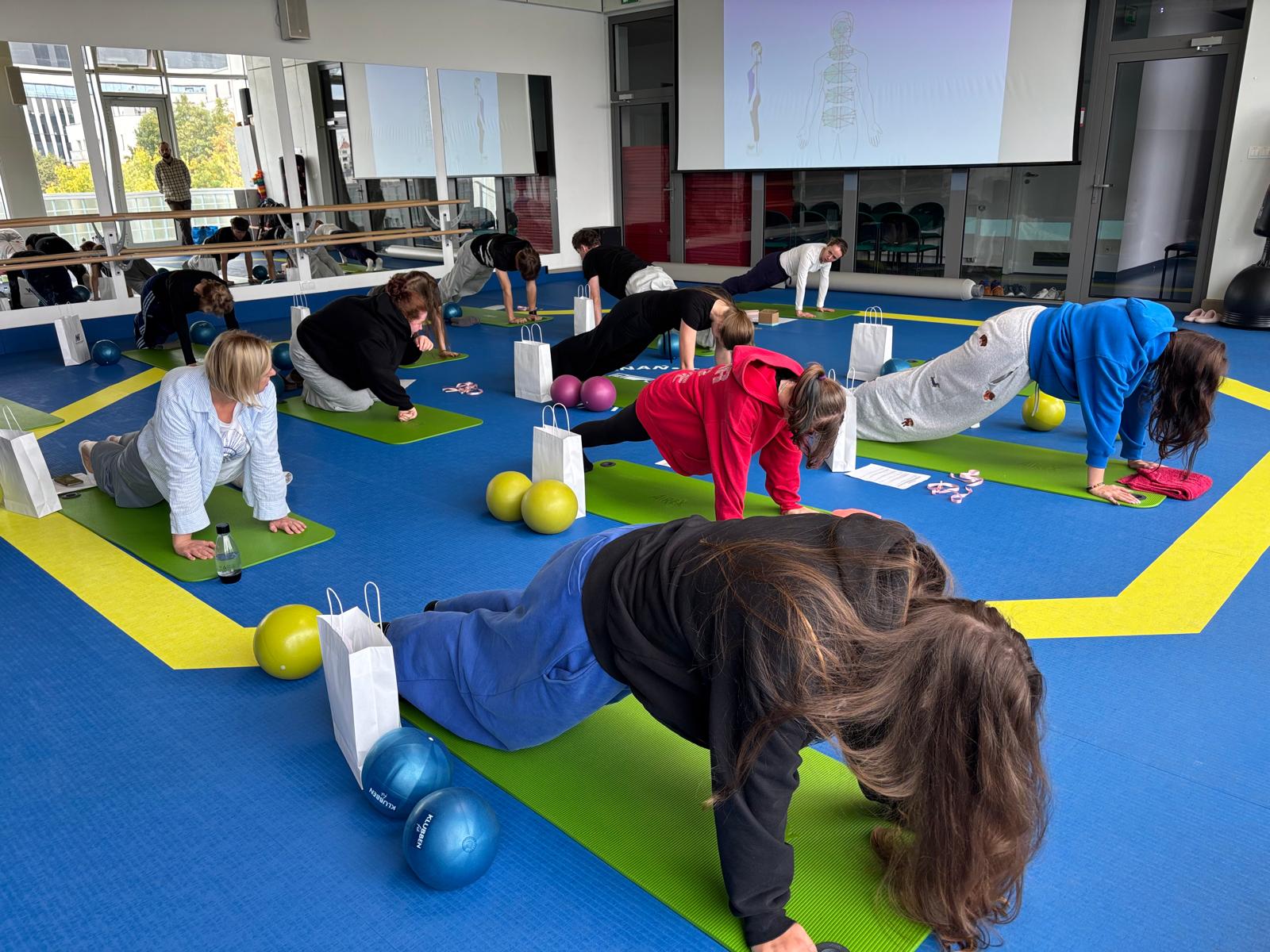
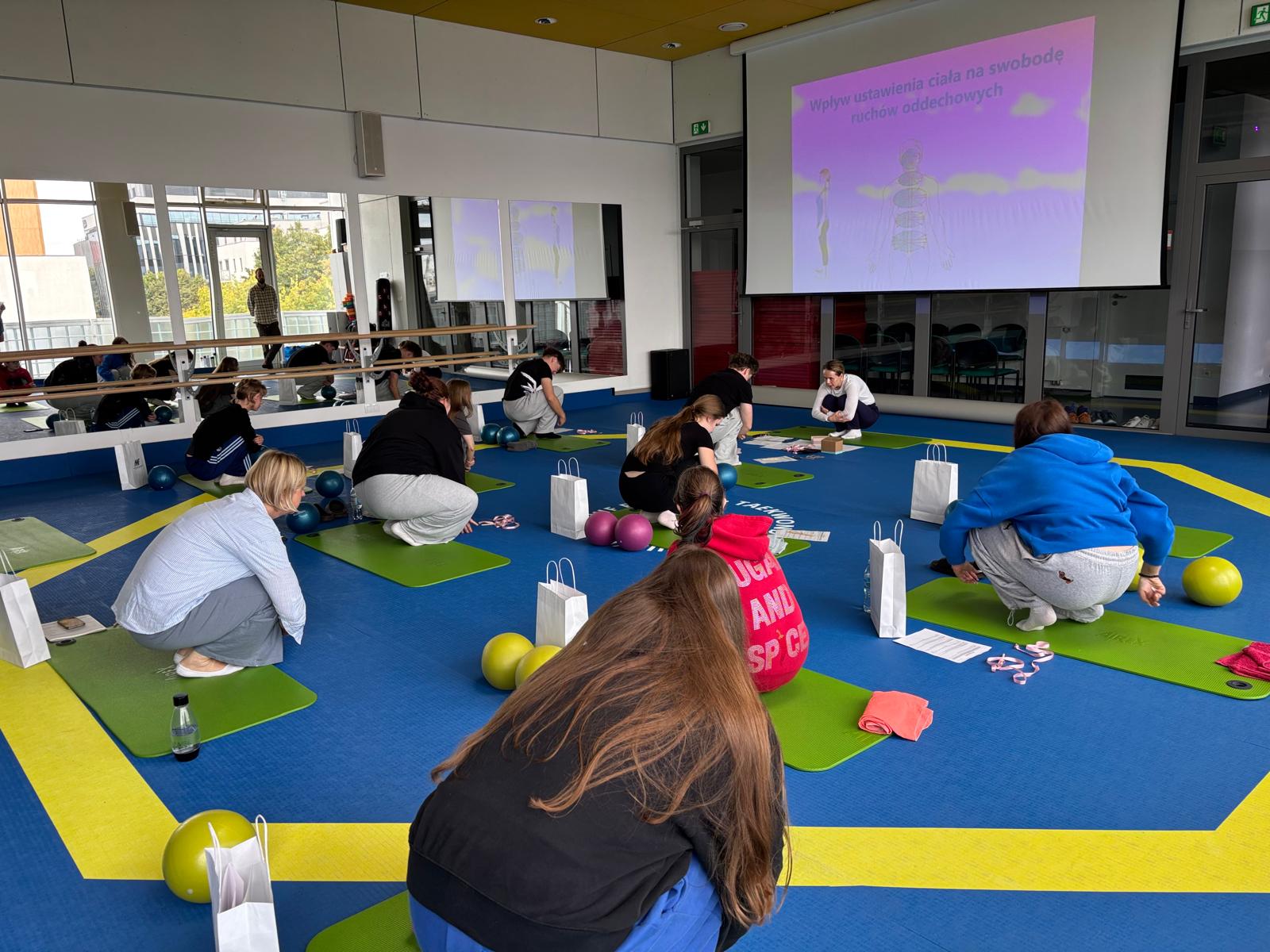
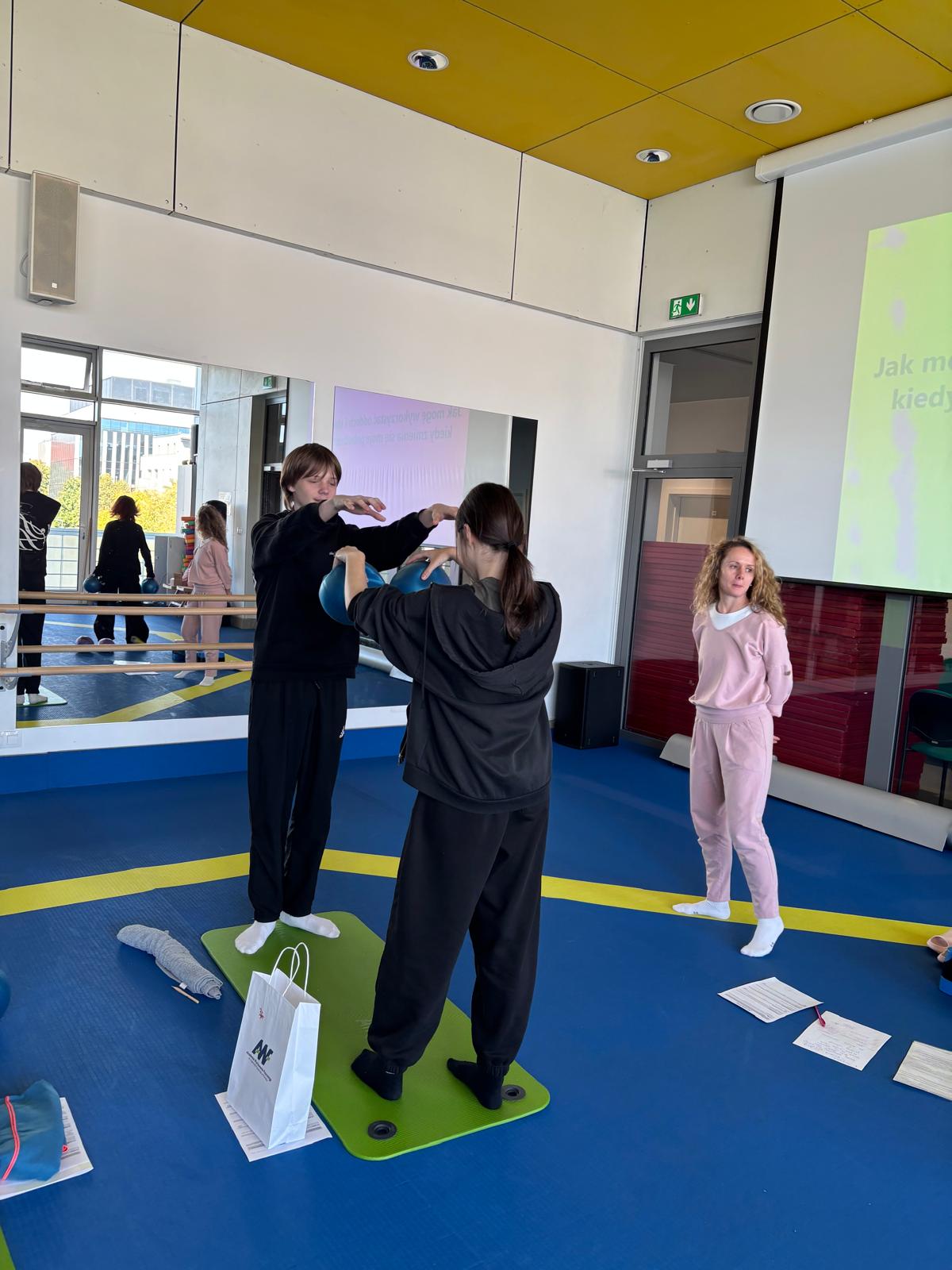
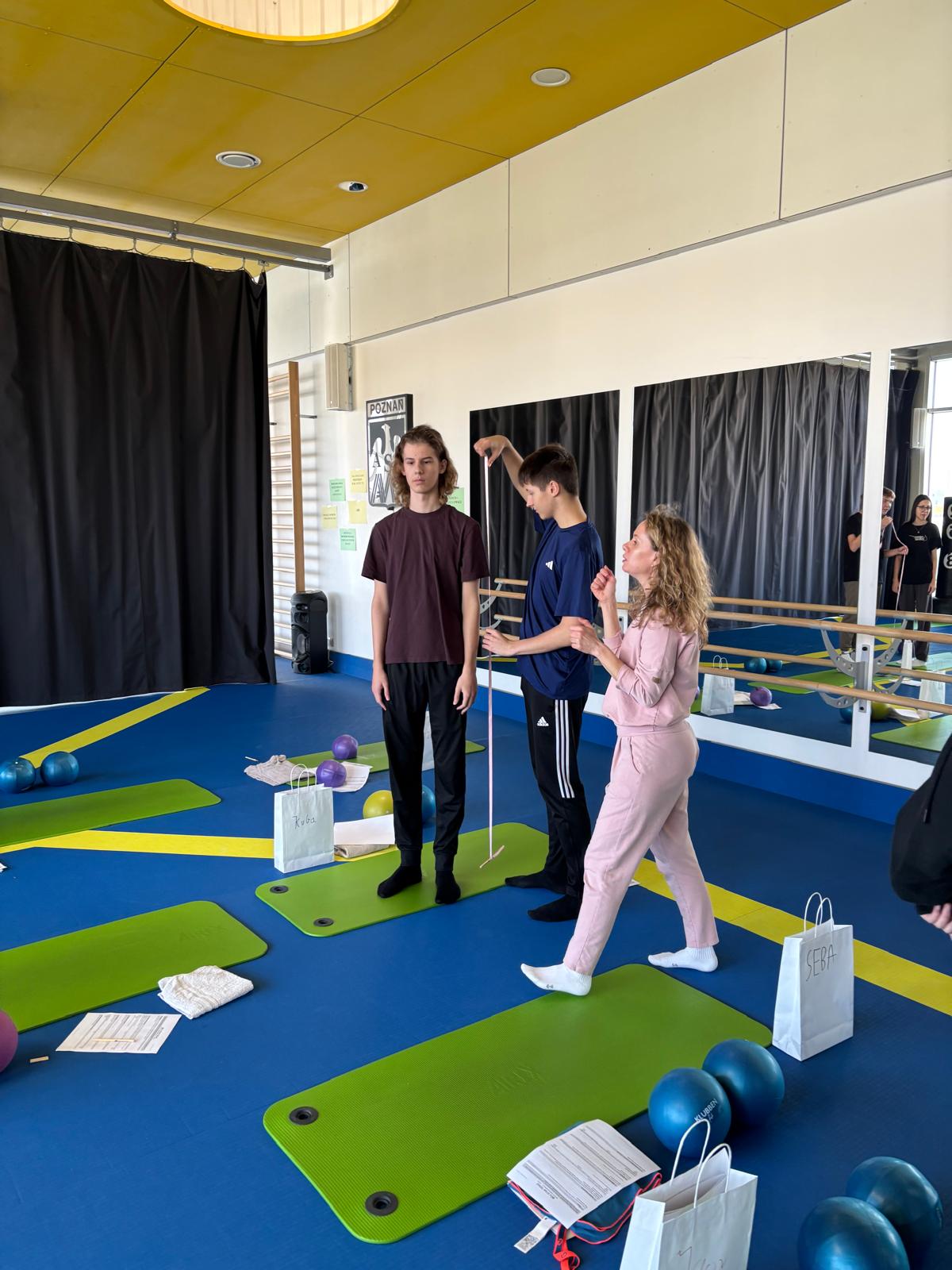
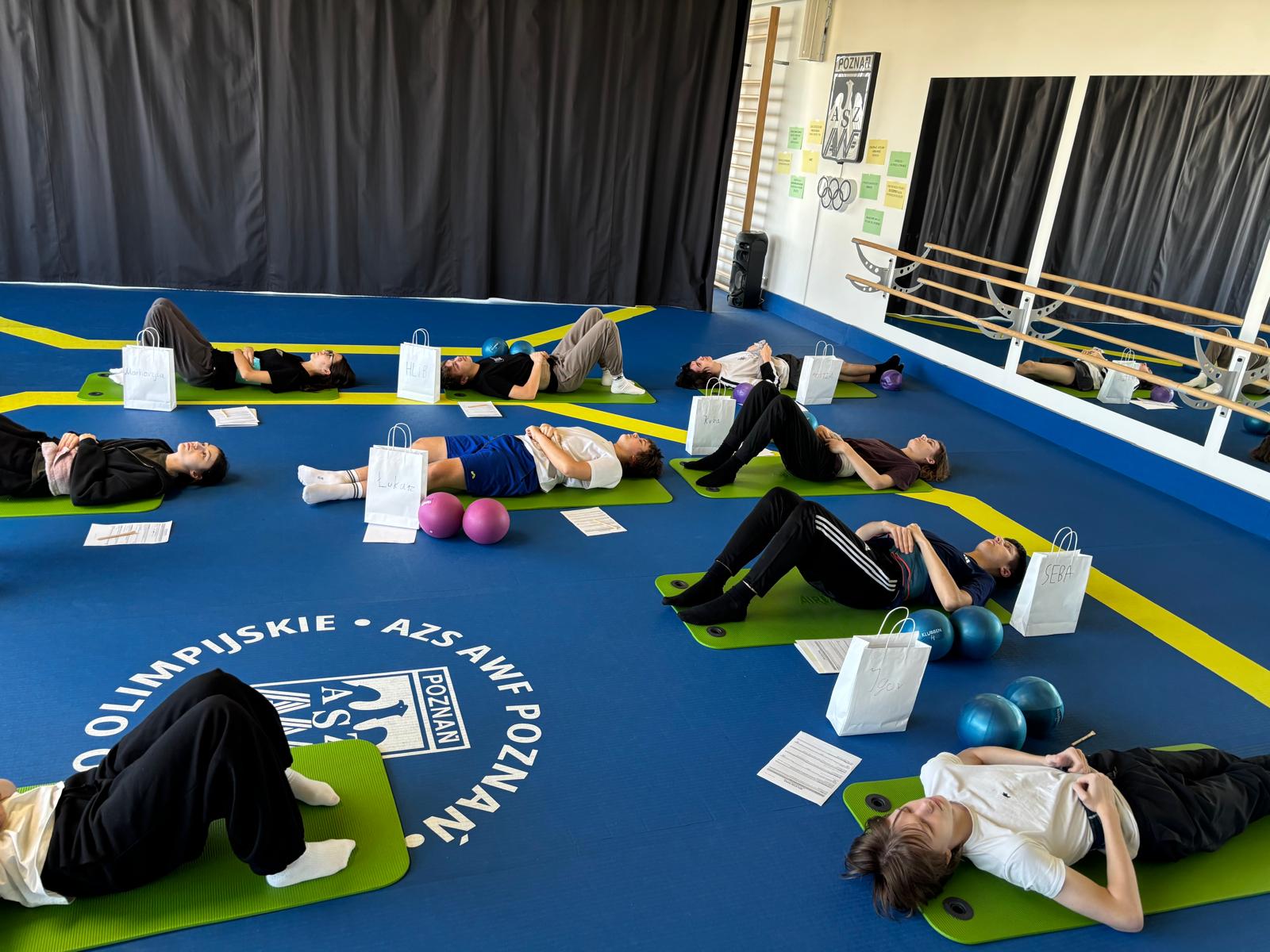
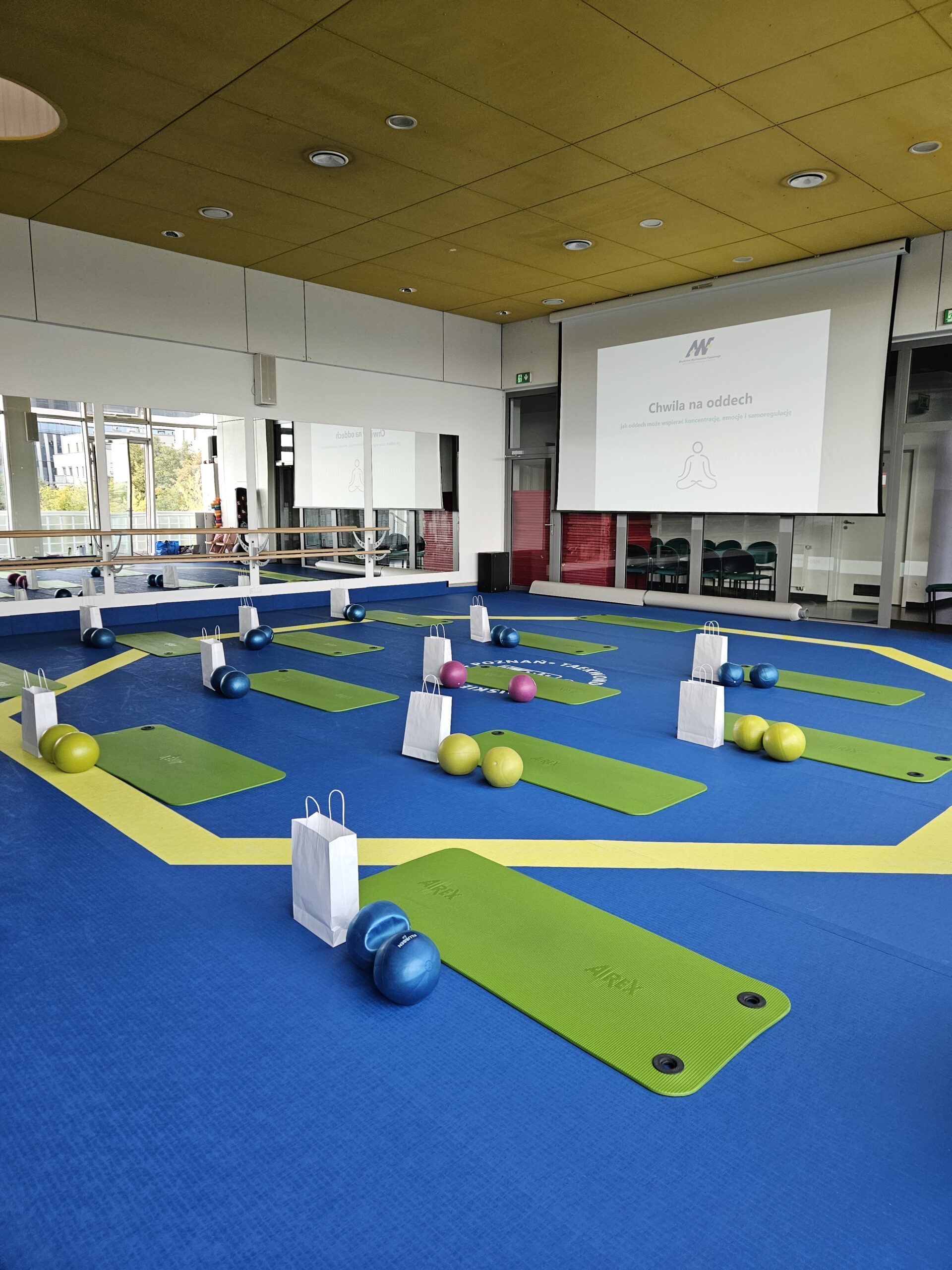
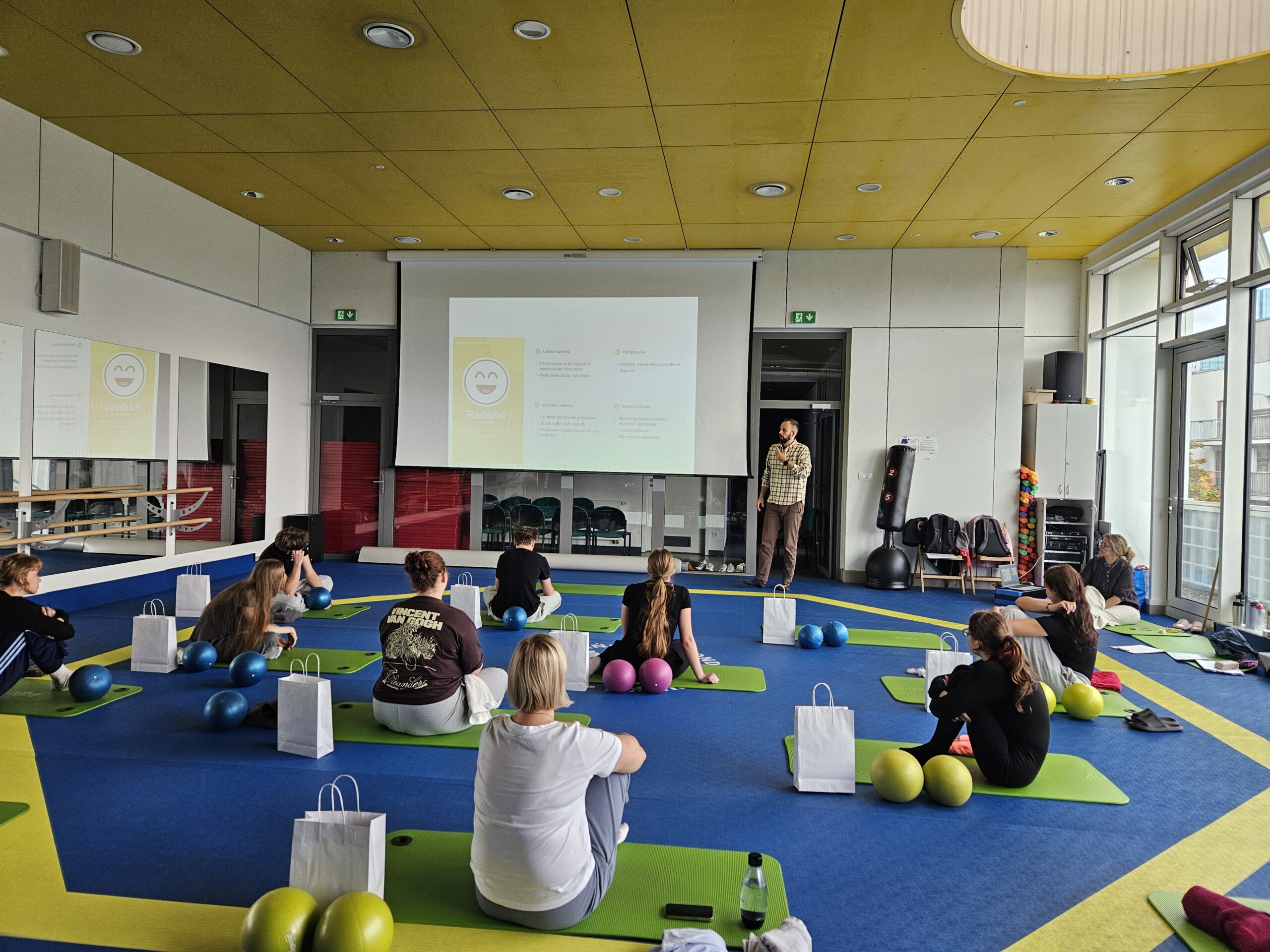
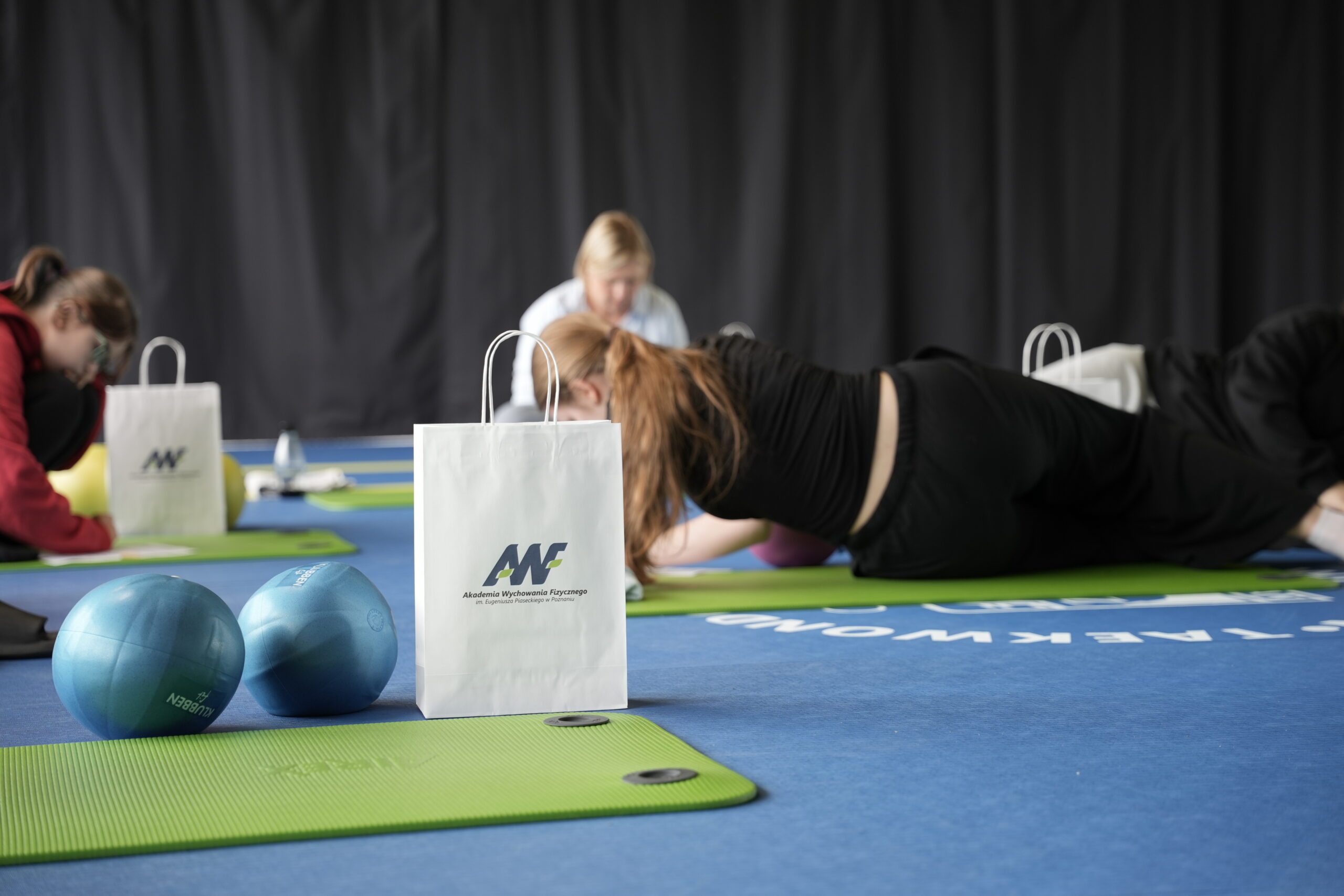
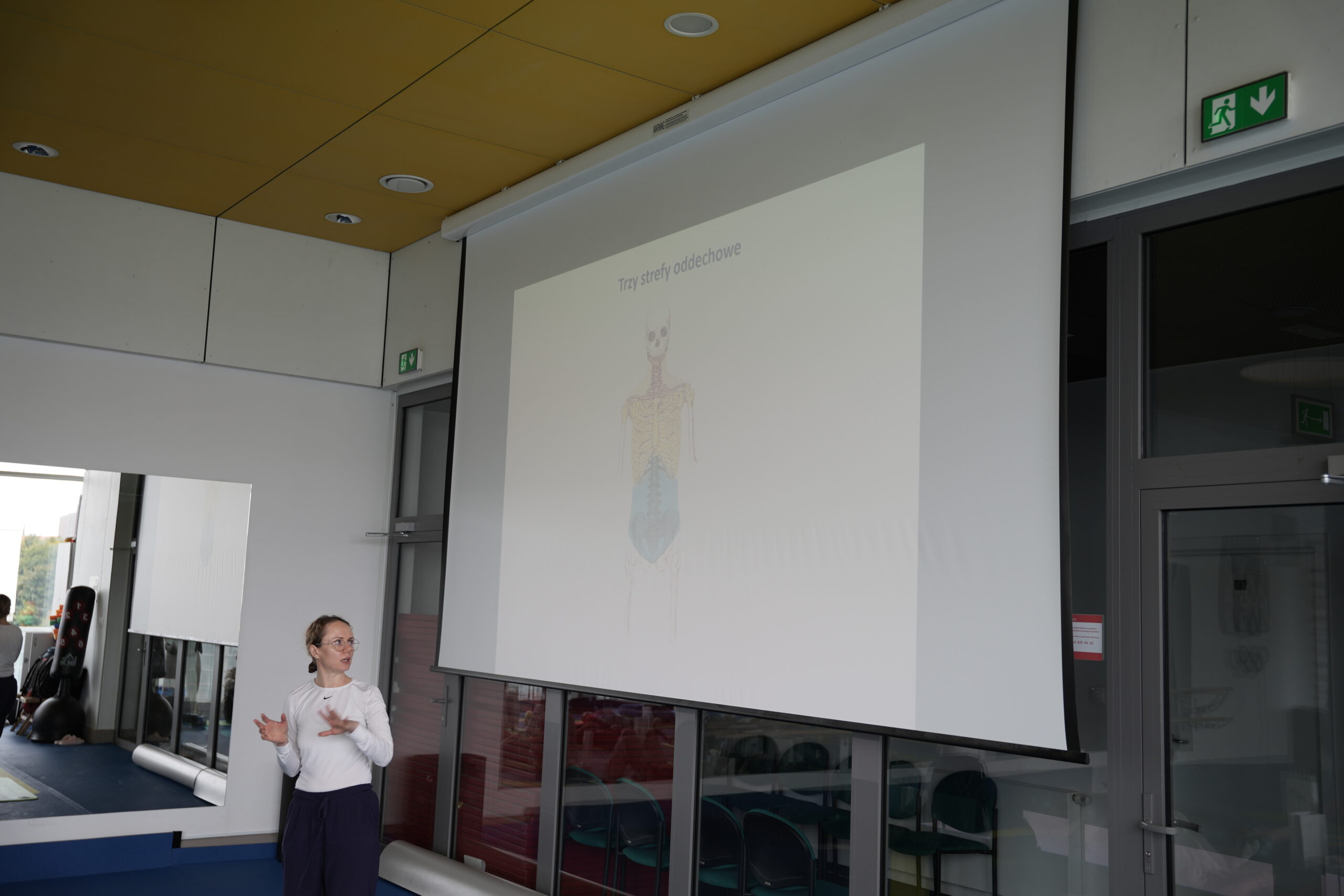
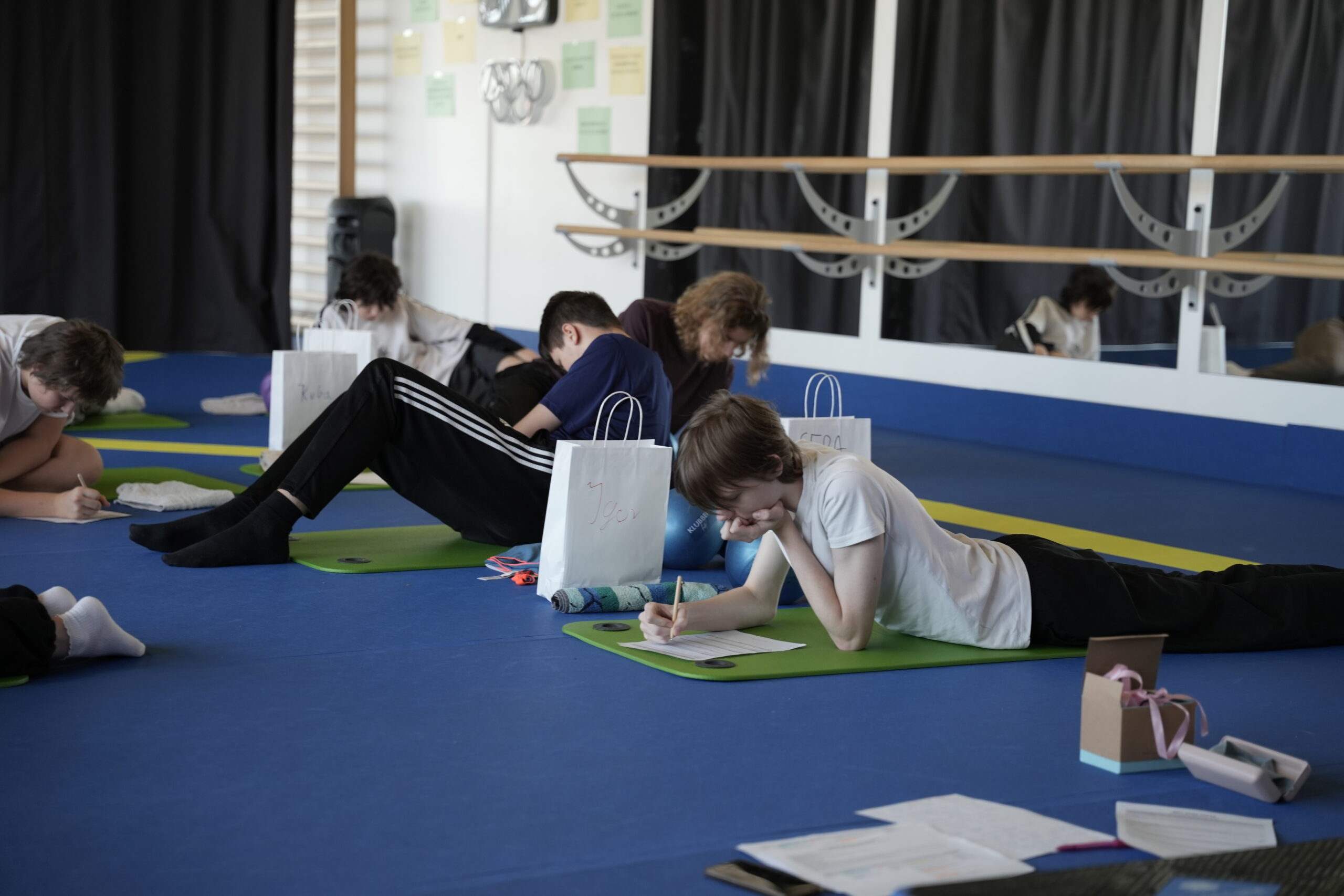
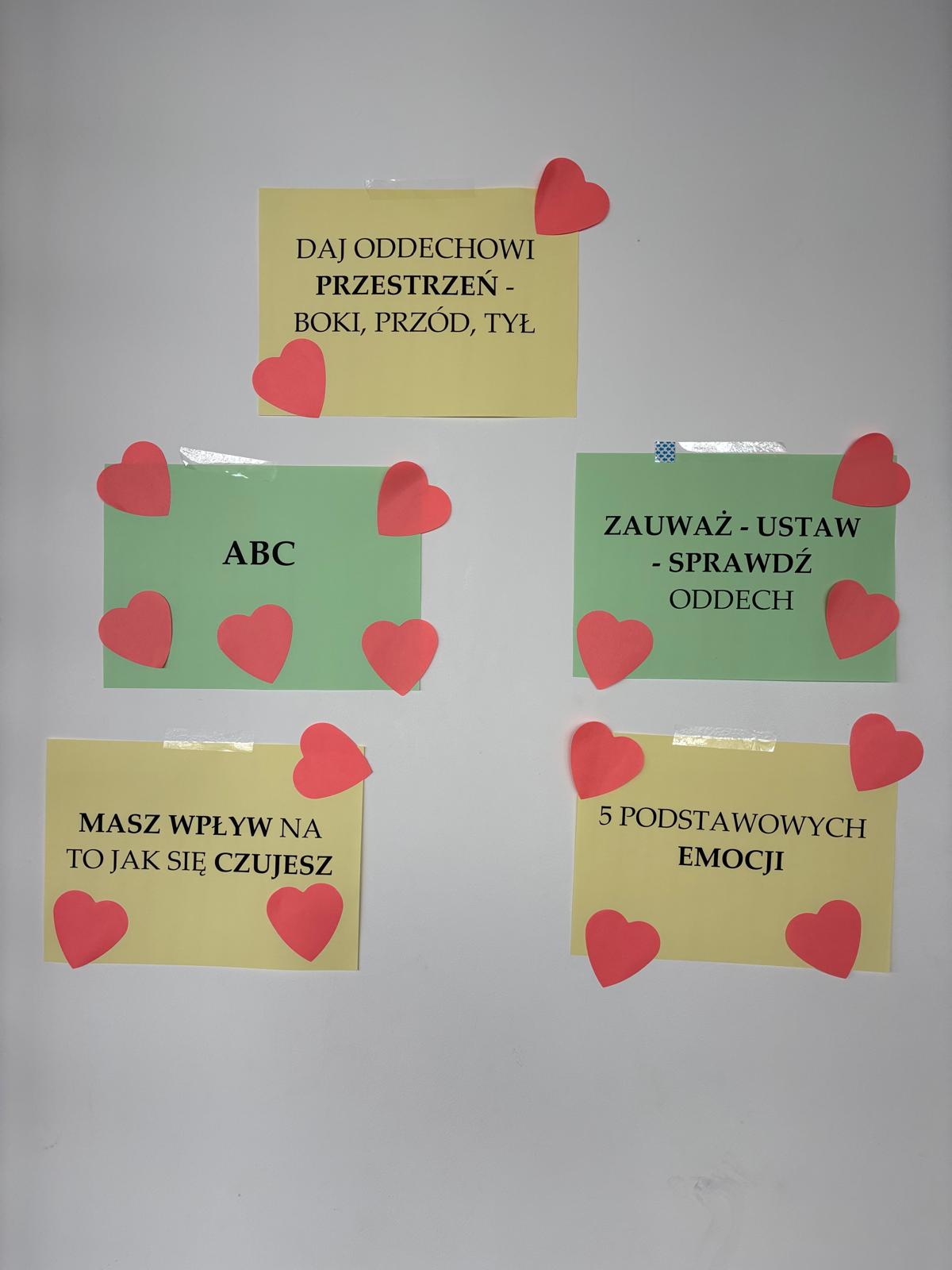
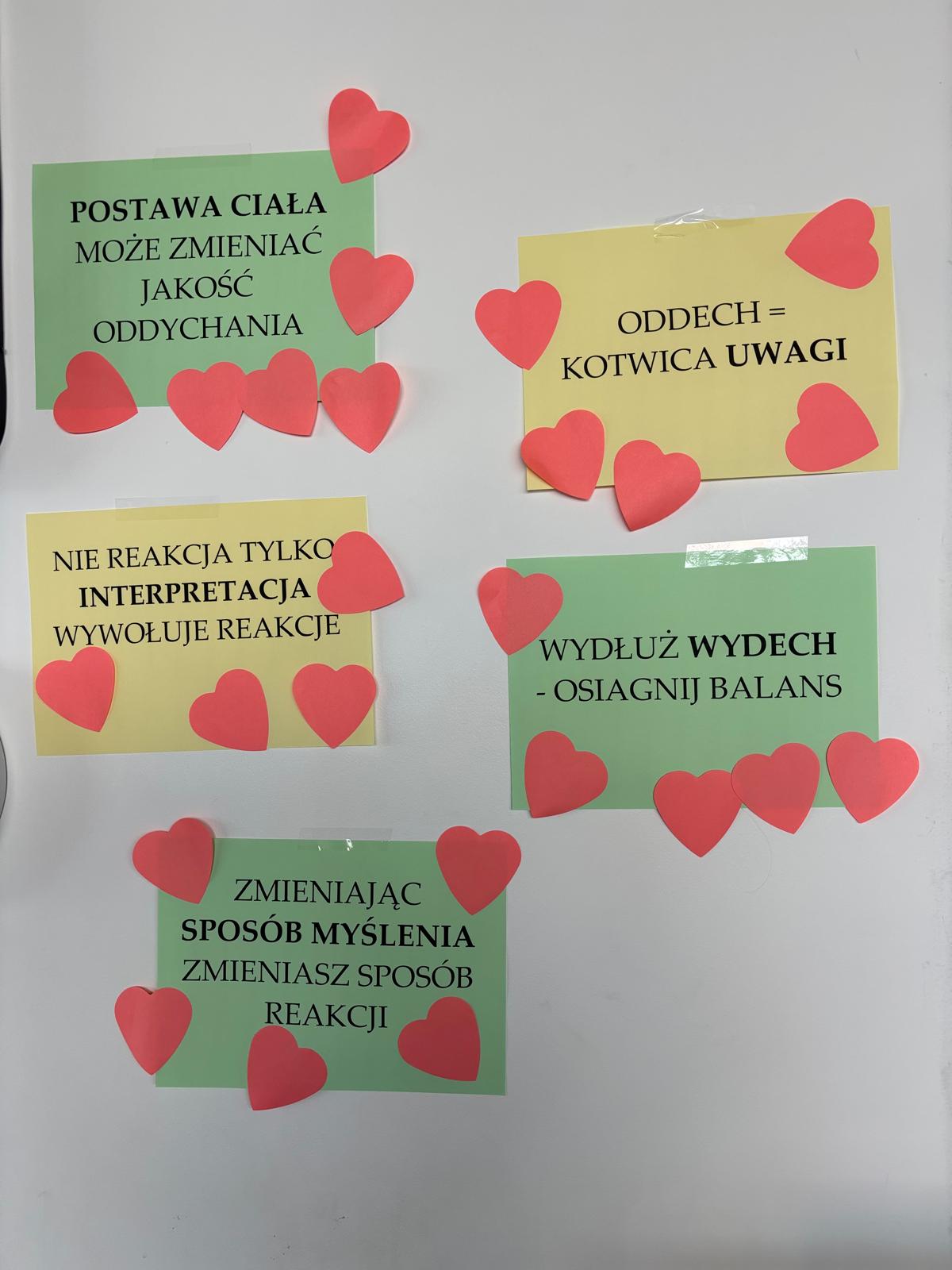
The workshop programme combined the basics of respiratory physiology with practical exercises designed to develop body awareness. Participants learnt about the mechanics of breathing, the role of the diaphragm and the importance of body posture for unimpeded breathing. In the practical session, the young people carried out exercises based on self-observation of their natural breathing rhythm, concentration and recognising changes in muscle tension. The sessions took place in small groups, which allowed for an individual approach to participants and effective engagement in the proposed exercises.
Lecturers
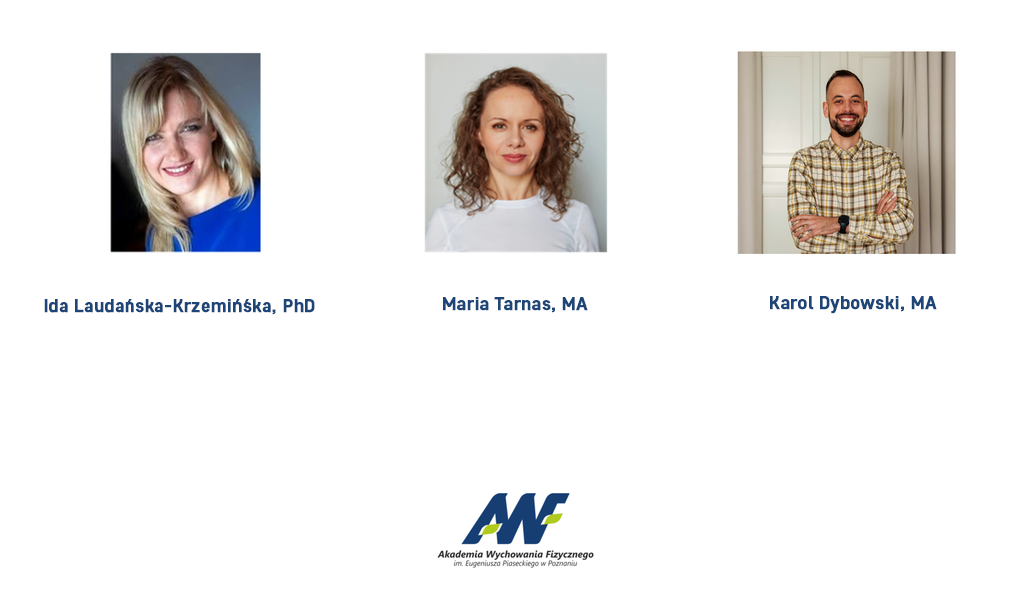
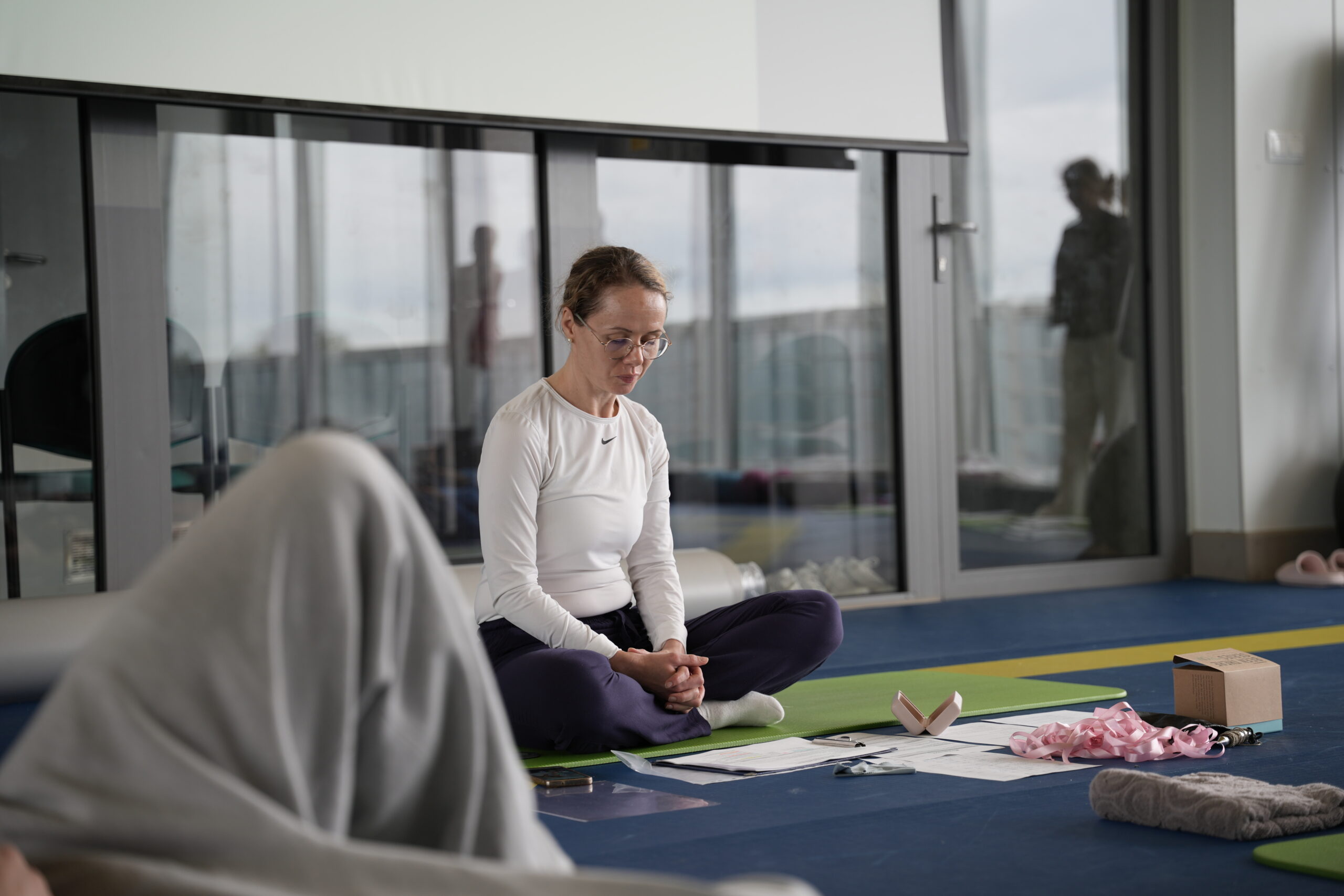
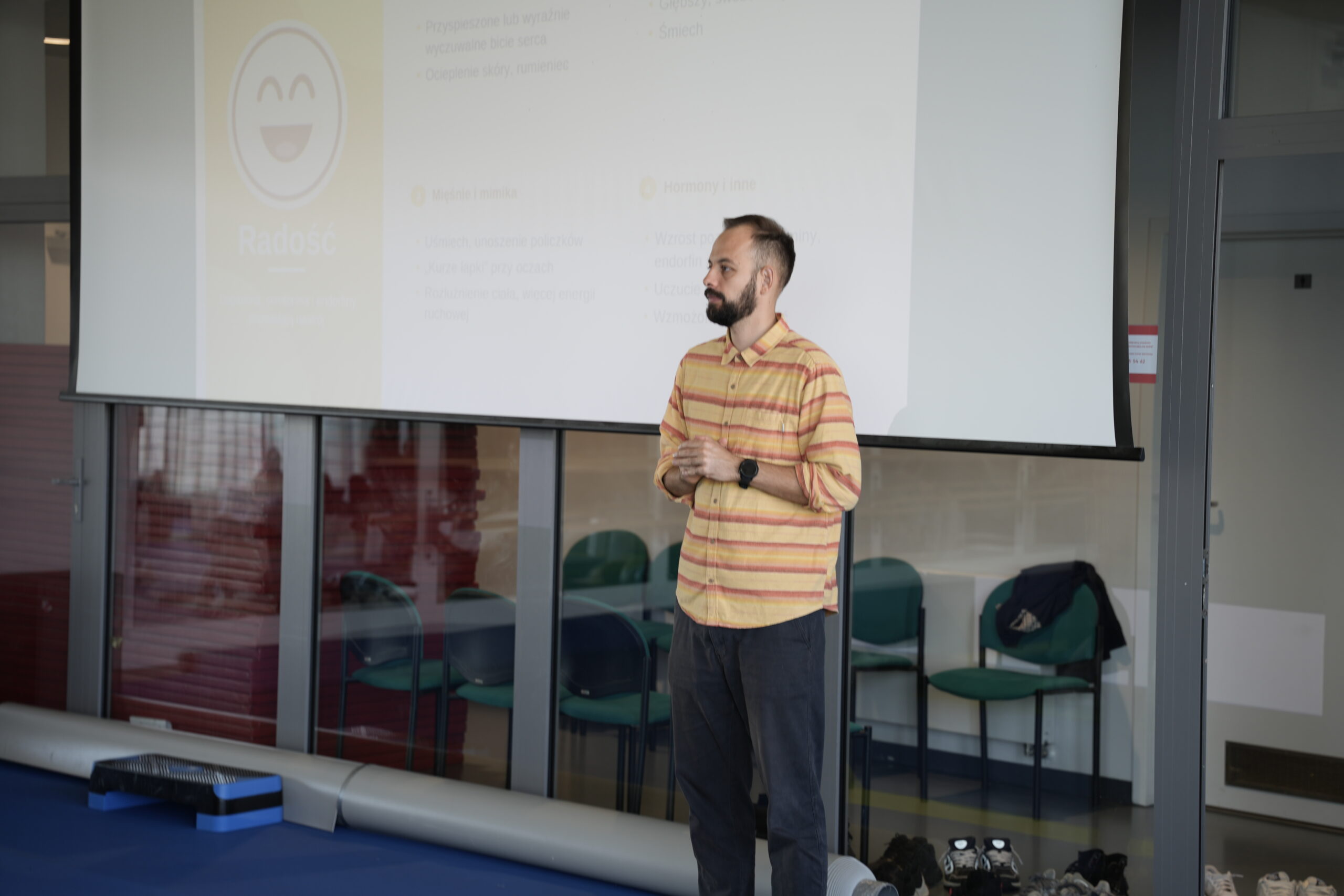
The initiator and organiser of the workshops is Maria Tarnas, MA, a PhD student at the Department of Athletics and Motor Preparation and a specialist in health-promotion. Expert support was provided by: Prof. Ida Laudańska-Krzemińska from the Department of Physical Activity Sciences and Health Promotion Science, and Karol Dybowski, MA, a psychologist.