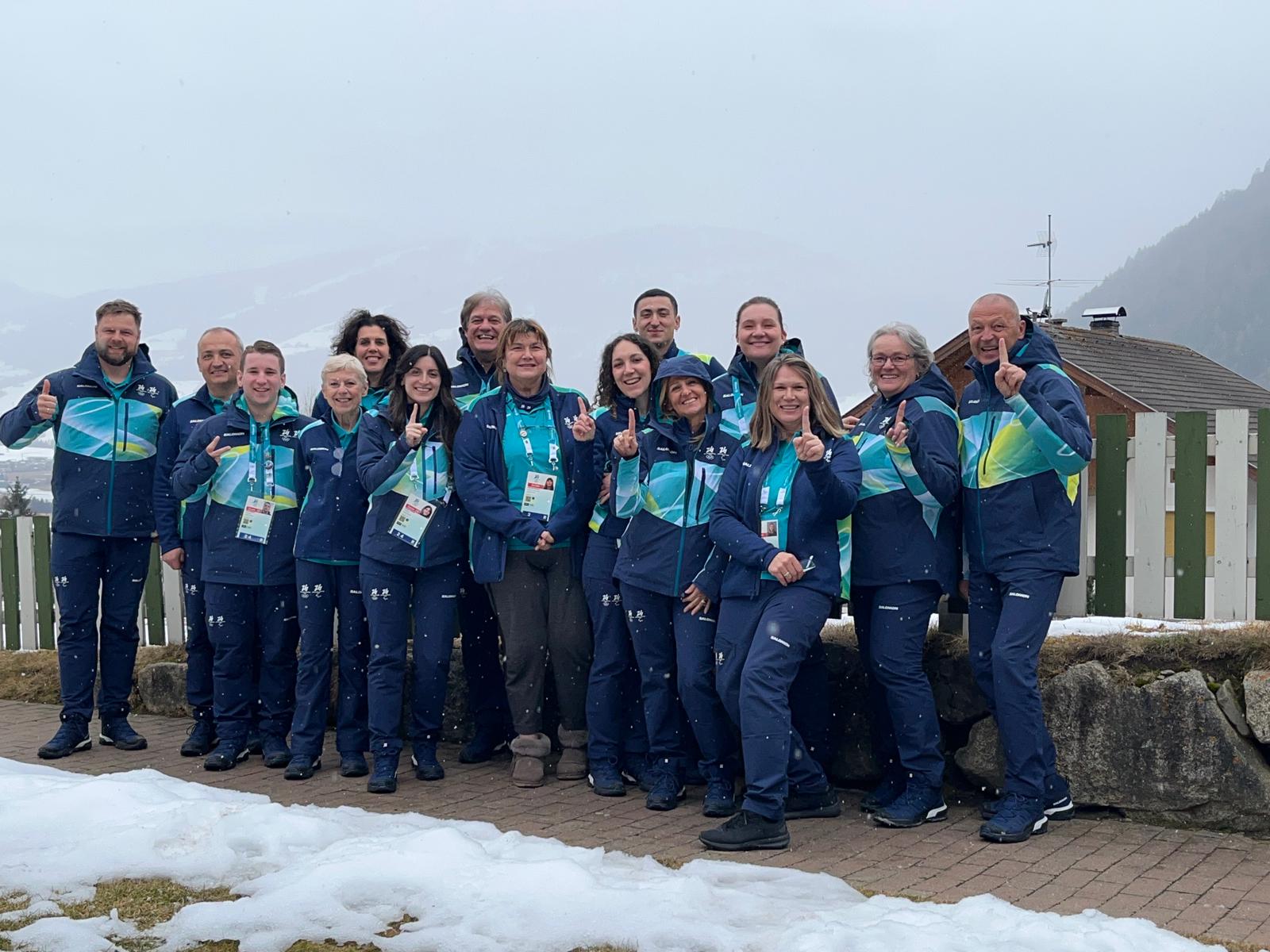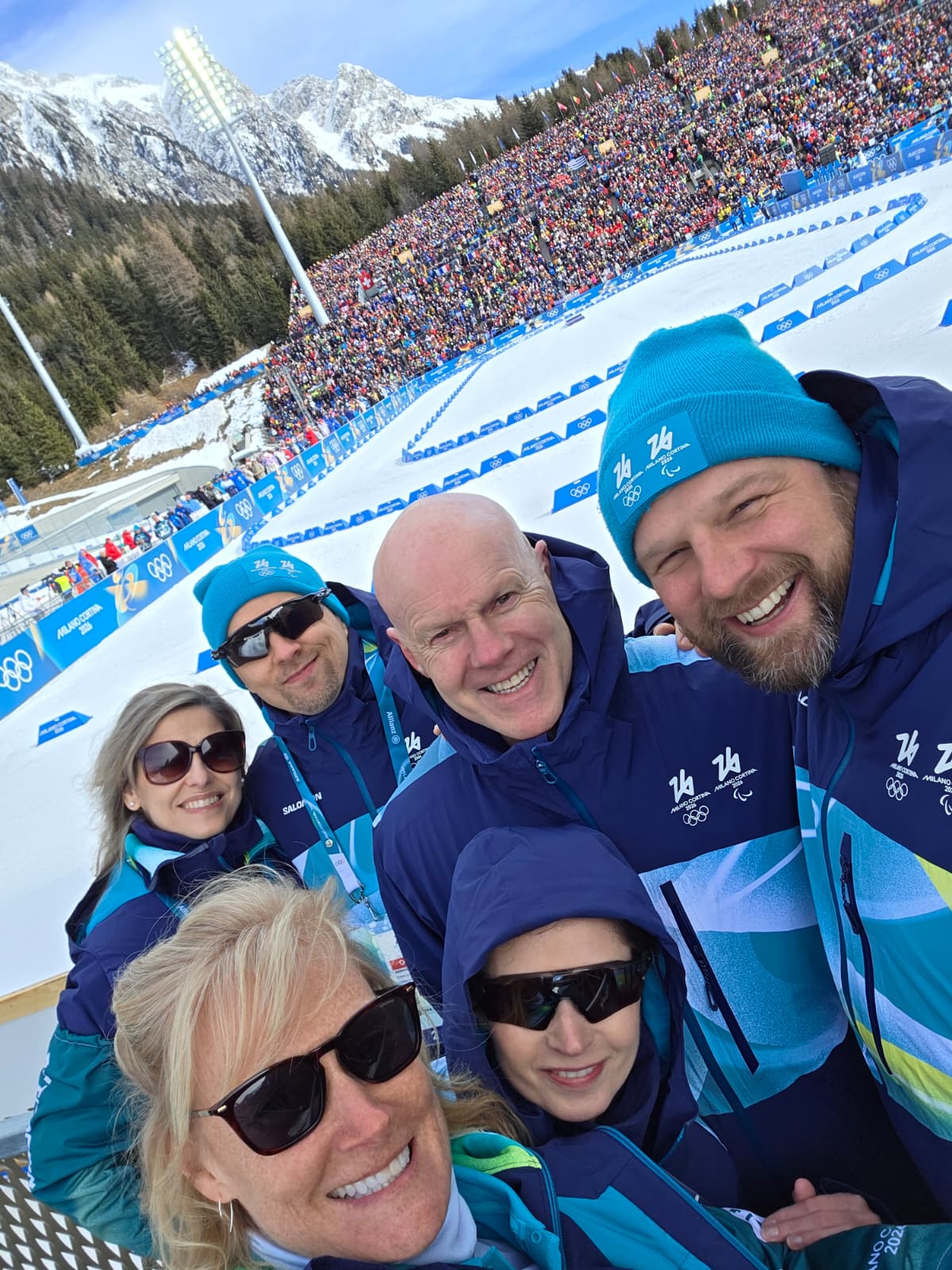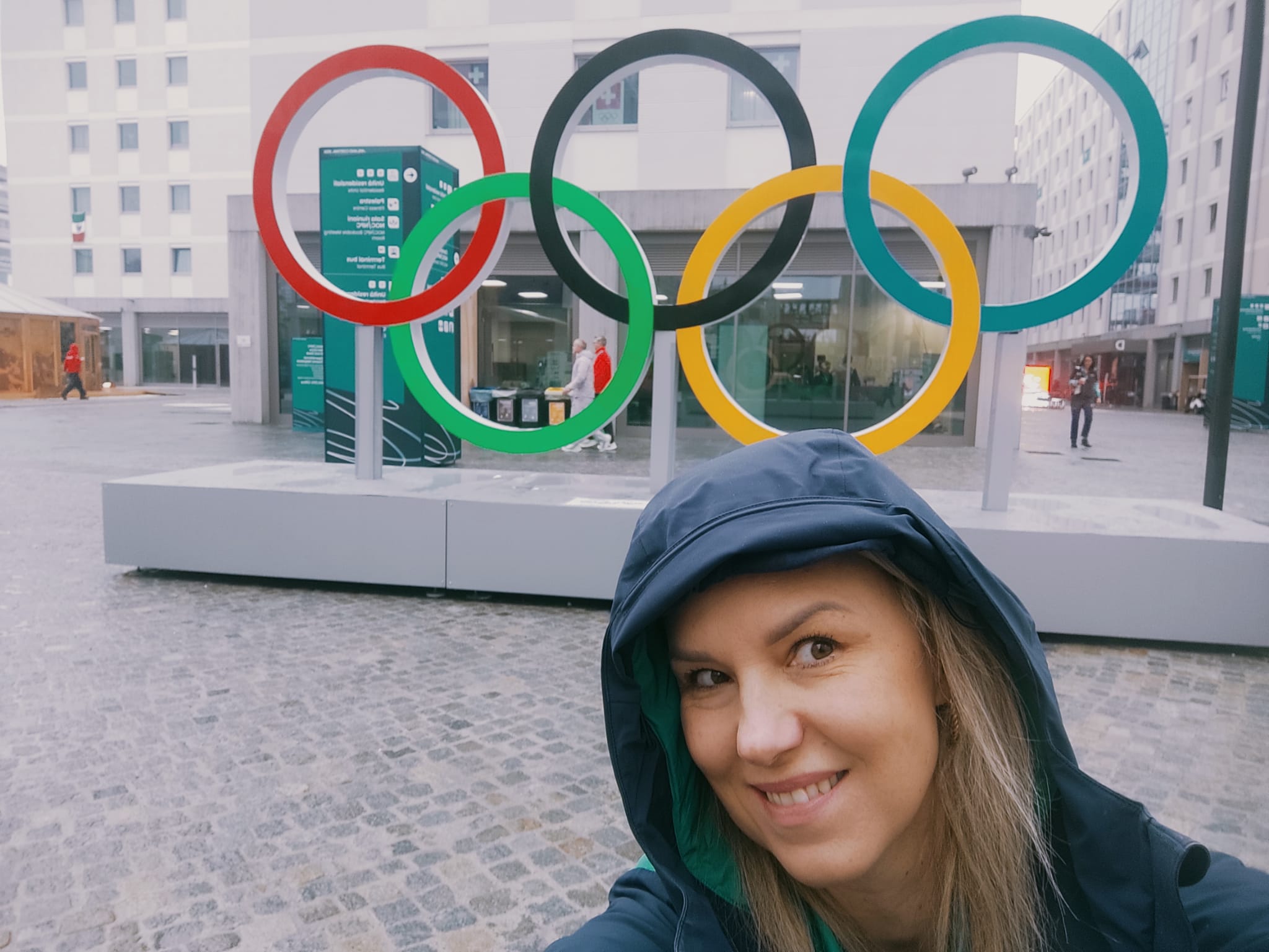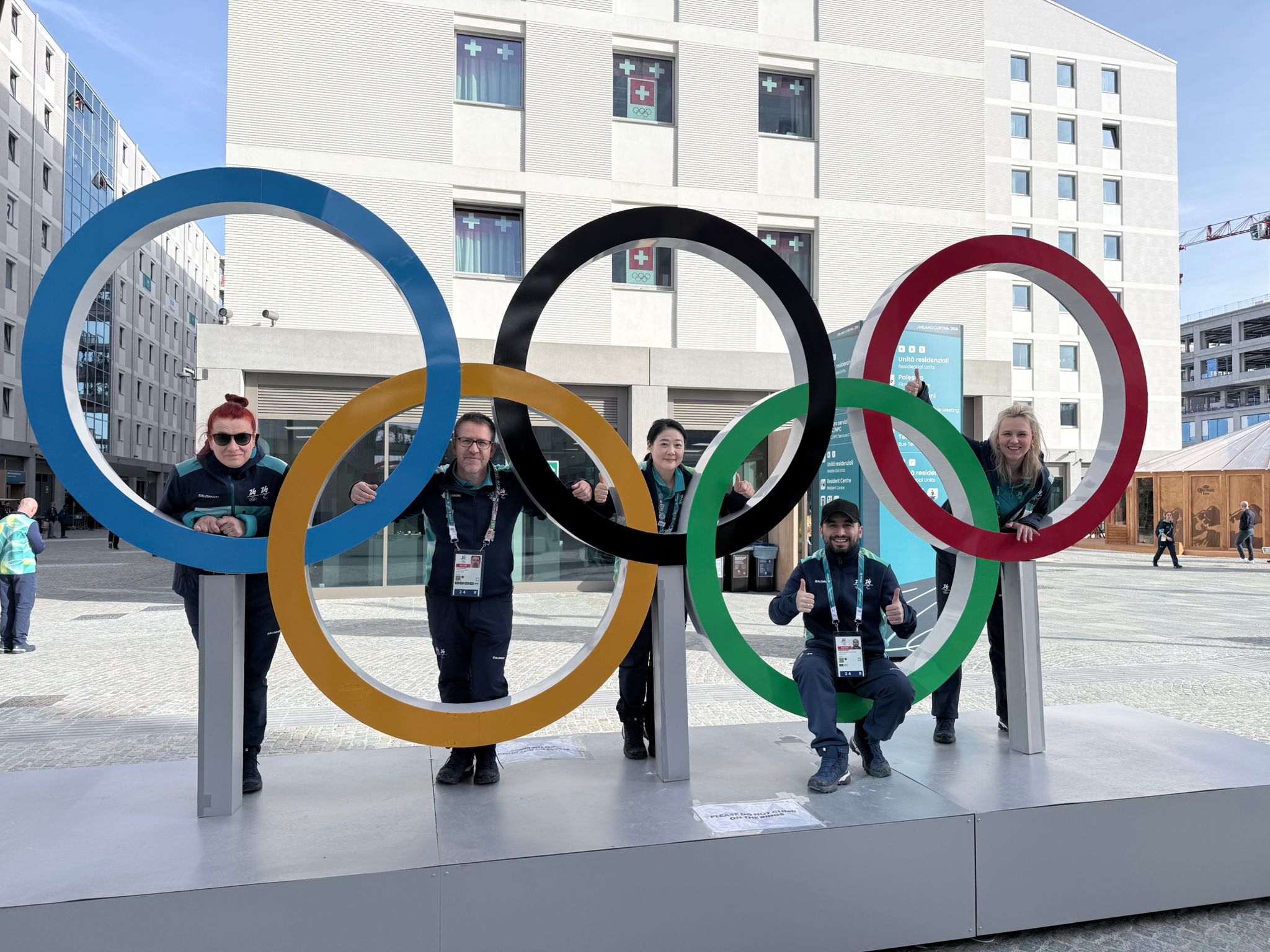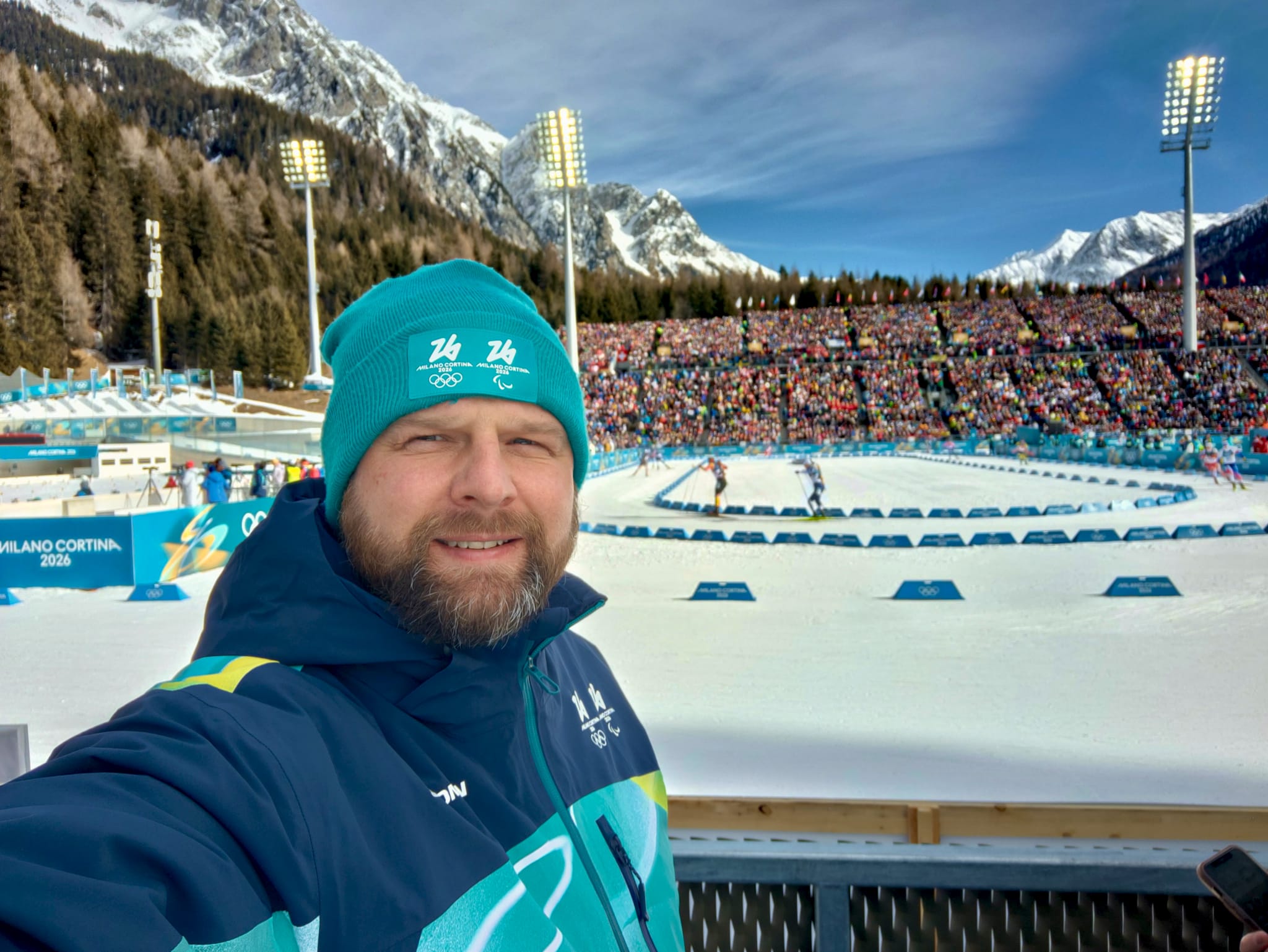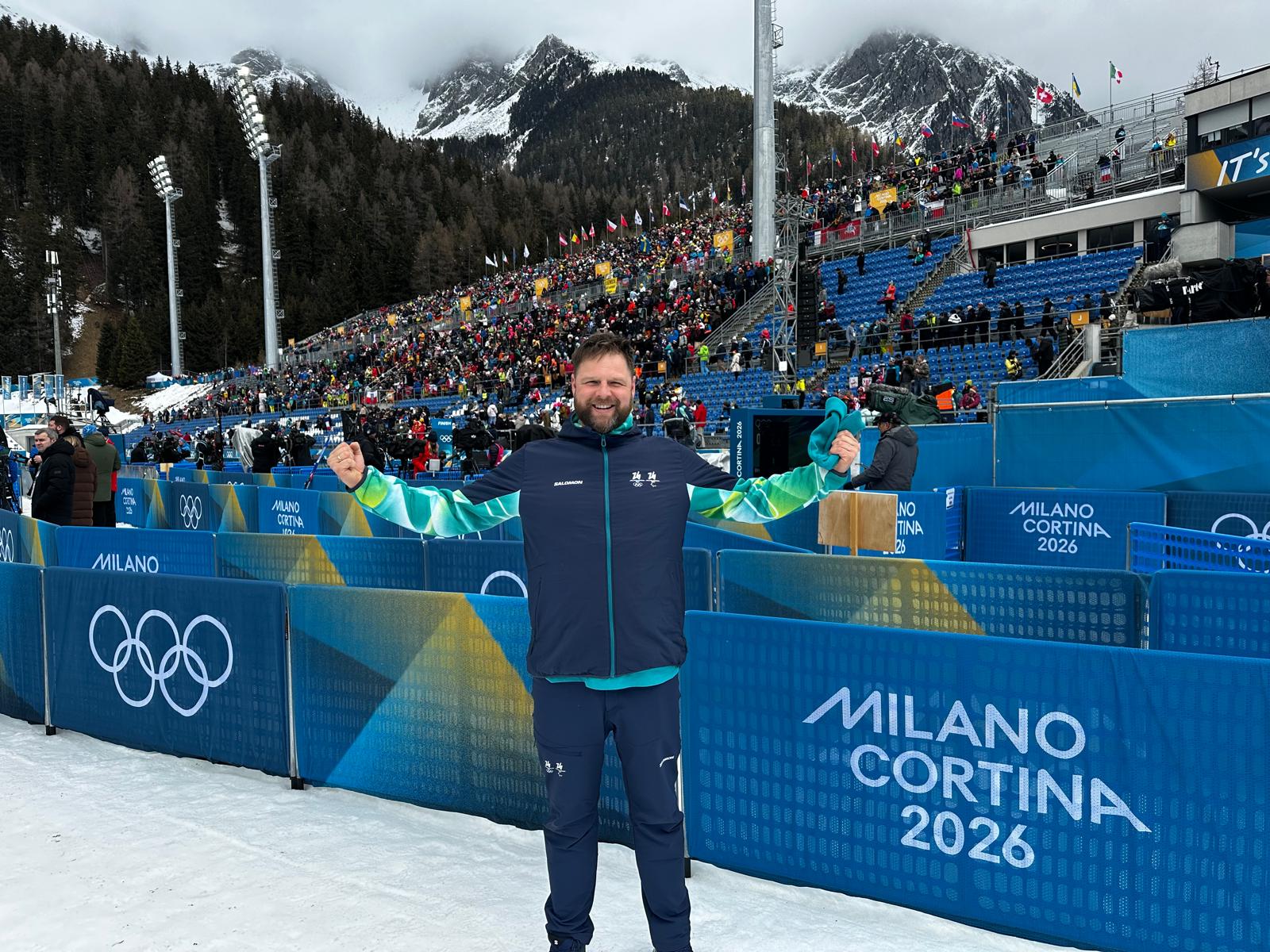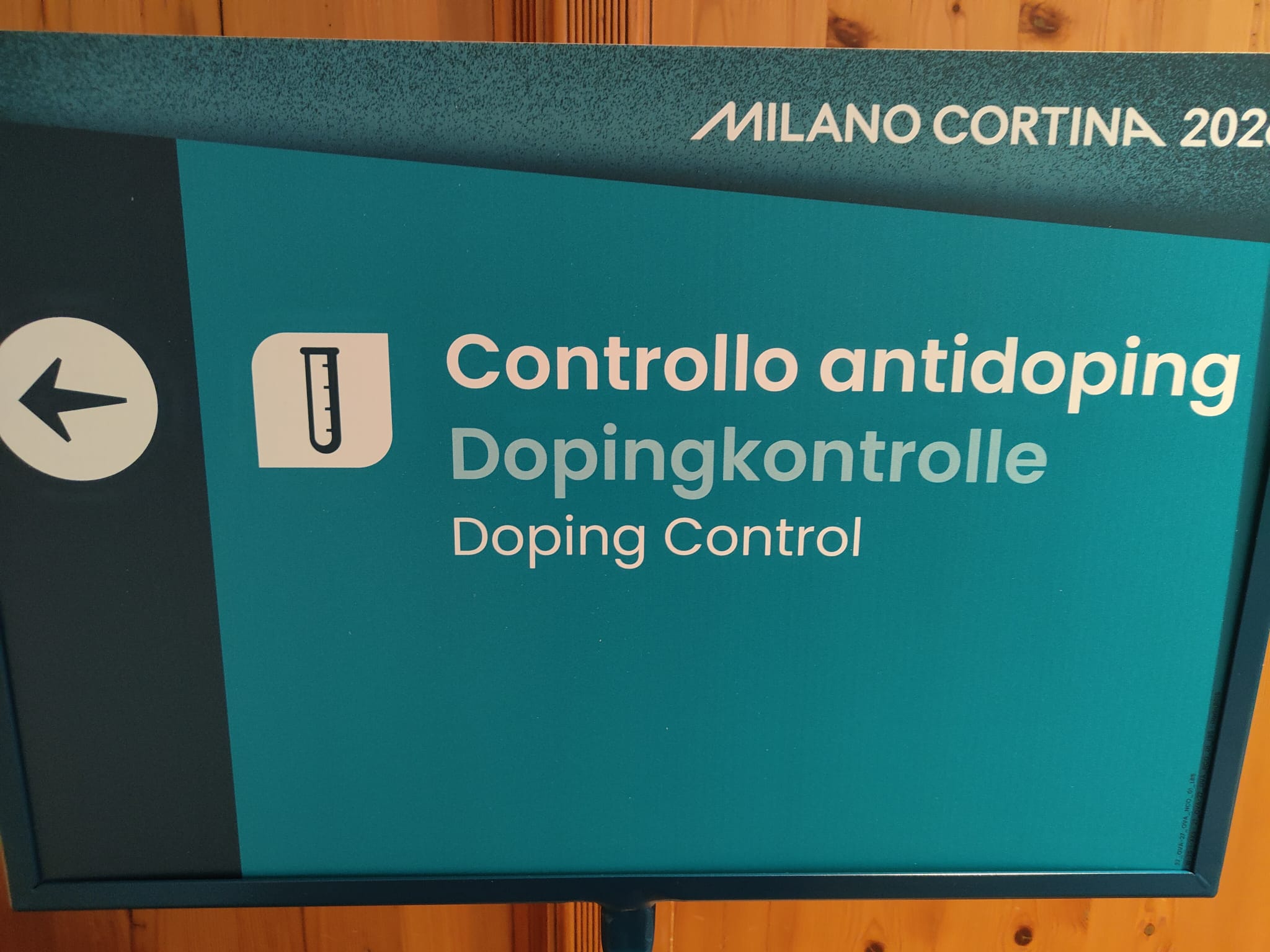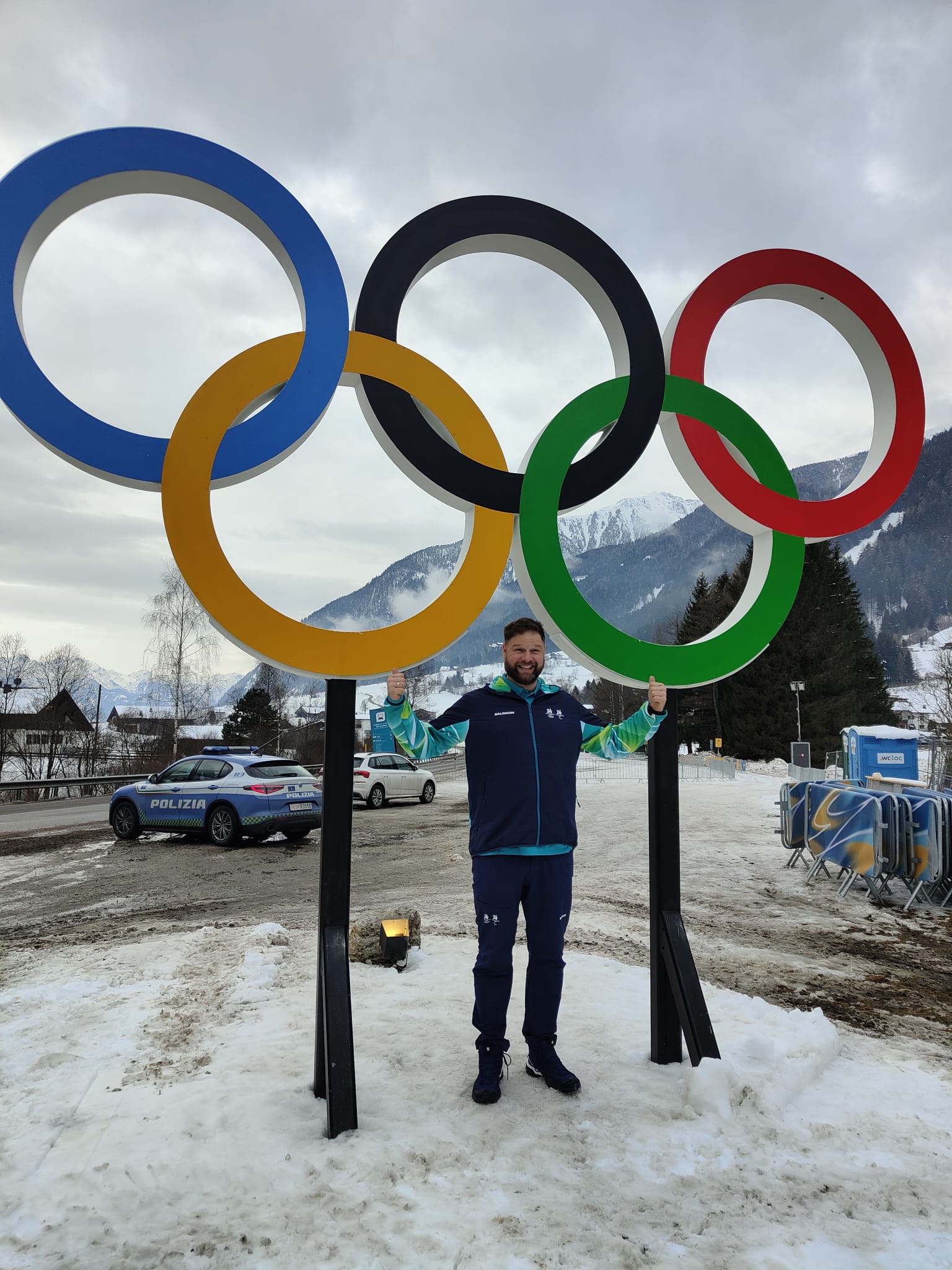
The Games are not only an exciting battle for medals and records, which is the focus of the world’s media. The credibility of sporting results and the trust of fans are also at stake. In the shadow of the Olympic torch, there are people working whose names we will not hear during media broadcasts. During the Milano–Cortina 2026 Winter Olympics, two of our university’s Doping Control Officers (DCOs), Dr Marta Flis-Masłowska and Szymon Rakowski, MA, were among those ensuring fair play. Their presence at such an important event is no coincidence. They have worked as international DCOs for 14 years. They were present at the last Summer Olympic Games in Paris in 2024, among others.
The anti-doping programme at the Games is implemented by the International Testing Agency in cooperation with the World Anti-Doping Agency. It is one of the most advanced and rigorous control systems in the world. DCOs are responsible for conducting random and targeted tests, collecting urine and blood samples, documenting the entire process to guarantee full transparency, maintaining the confidentiality and integrity of samples and complying with strict security procedures. Meticulousness, composure, and strict compliance with regulations are essential. It is a precise, multi-stage, logistically demanding operation involving hundreds of tests, taking place at the competition venues and in the Olympic villages and athletes’ accommodation. While fans get excited about the finals, DCOs often work from early morning until late at night…